
What to visit in Marrakech: 6 must-see places picked by locals
We weren't born in Marrakech - and we're not going to pretend otherwise. But we do work there, alongside the zellige and pottery artisans we've come to know over the years, and we accompany our travelers there often enough to know what's really worth the detour and what's just a set-up for the buses.
It's a city that's both breathtaking and exhausting: the medina teems, the souks close in like a labyrinth, and Jemaa el-Fna turns from a quiet square in the morning to a permanent theater in the evening. Marrakech has to be earned - but with the right keys, it becomes unforgettable.
This guide is what you'd tell a friend who's just arrived: where to start, how long to stay, where to sleep, how to get around, and the questions we all ask ourselves before coming. The rest - the workshops, the meetings with the master craftsmen - we bring to you ourselves.
Contents
The heart of the guide
The 6 must-see places in Marrakech
Everything worth seeing in Marrakech, in the order we'd take a friend who has just arrived. Each place has its own full guide to read before or during your stay.
01
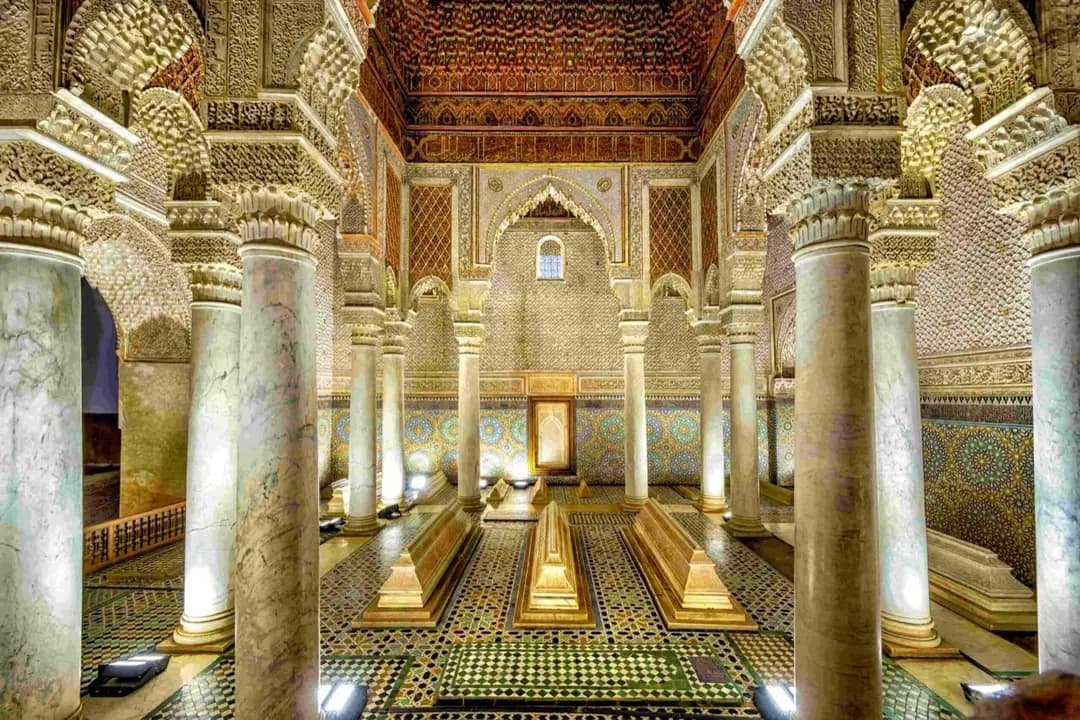
Saadian tombs in Marrakech: visit, queue and tips 2026
The Saadian Tombs are the necropolis of the Saadian dynasty, in the Kasbah district of Marrakech: walled up for two centuries, rediscovered in 1917, they house the tombs of Sultan Ahmad al-Mansour beneath their cedar domes and Carrara marble. The site is small, but the Hall of Twelve Columns attracts large crowds. Here's our 2026 guide to visiting the Saadian Tombs: prices, opening hours, queues and tips.
Read the full guide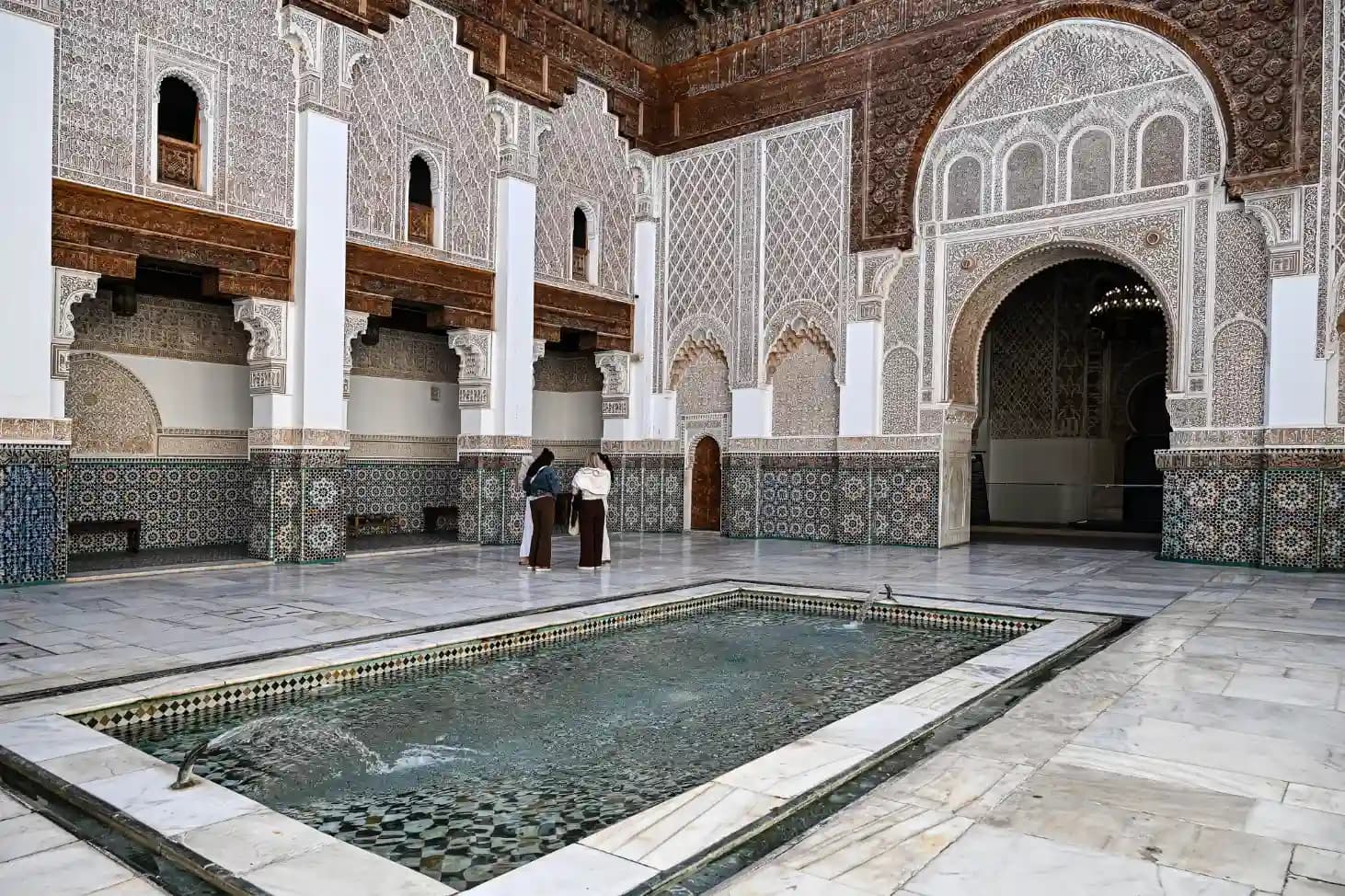
02
Medersa Ben Youssef in Marrakech: visit, prices and tips 2026
The Ben Youssef Medersa is the largest old Koranic school in Morocco, north of the Marrakech medina. Reopened in 2022 after a lengthy restoration, it boasts a marble courtyard with a pool, walls covered in zellige, stucco and carved cedar, and 132 student cells on two floors. Here's our 2026 guide to the Ben Youssef Medersa: prices, opening hours, what you can see, its history and how to avoid the crowds.
Read the full guide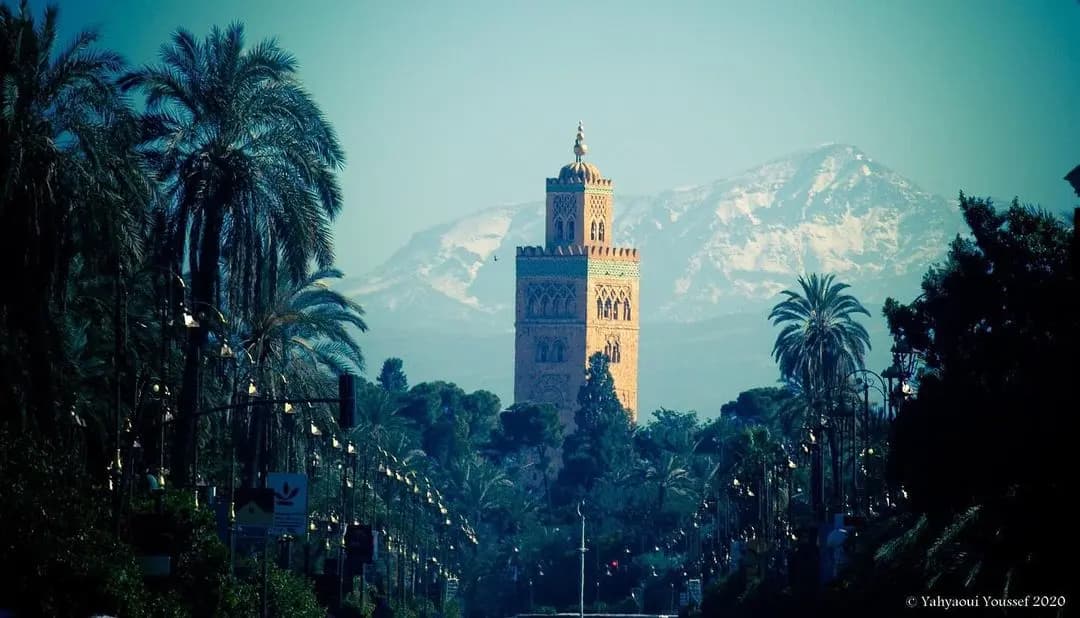
03
Koutoubia Mosque in Marrakech: can you visit it? Guide 2026
The Koutoubia mosque is Marrakech's largest monument and its absolute landmark, with its 77-metre Almohad minaret dominating the medina. You can't visit the interior, which is reserved for Muslims, but the esplanade and gardens are open to the public free of charge. Here's our 2026 guide to the Koutoubia mosque: what you can see, its history, and where to photograph it.
Read the full guide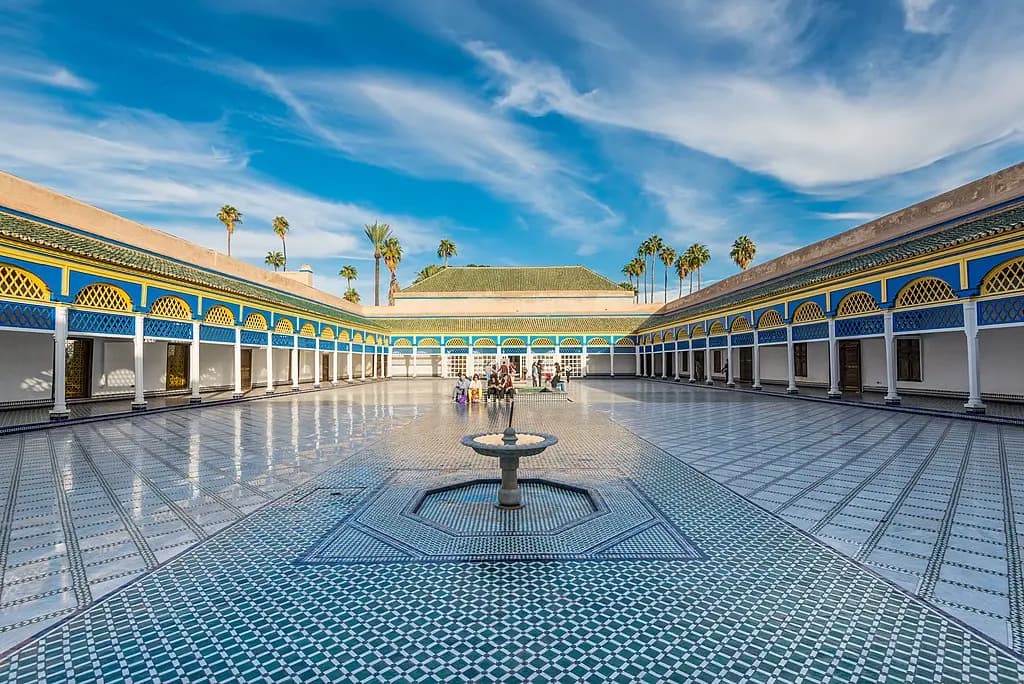
04
Visit the Bahia Palace in Marrakech: prices, opening hours and tips 2026
The Palais de la Bahia is one of the most beautiful palaces in Marrakech: eight hectares of courtyards, riads and painted cedar ceilings, ten minutes from Jemaa el-Fna square. But between the 100 DH ticket, the crowds and the empty rooms, is it really worth the detour? Here's our complete 2026 guide to visiting the Palais de la Bahia at the right time: prices, opening times, duration, history and tips for avoiding the crowds.
Read the full guide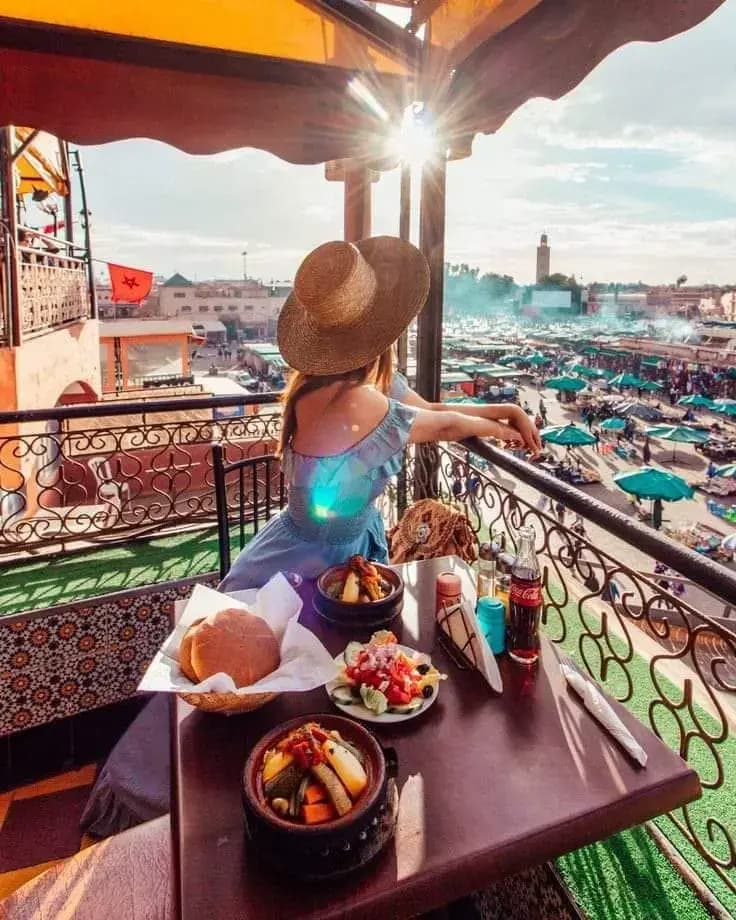
05
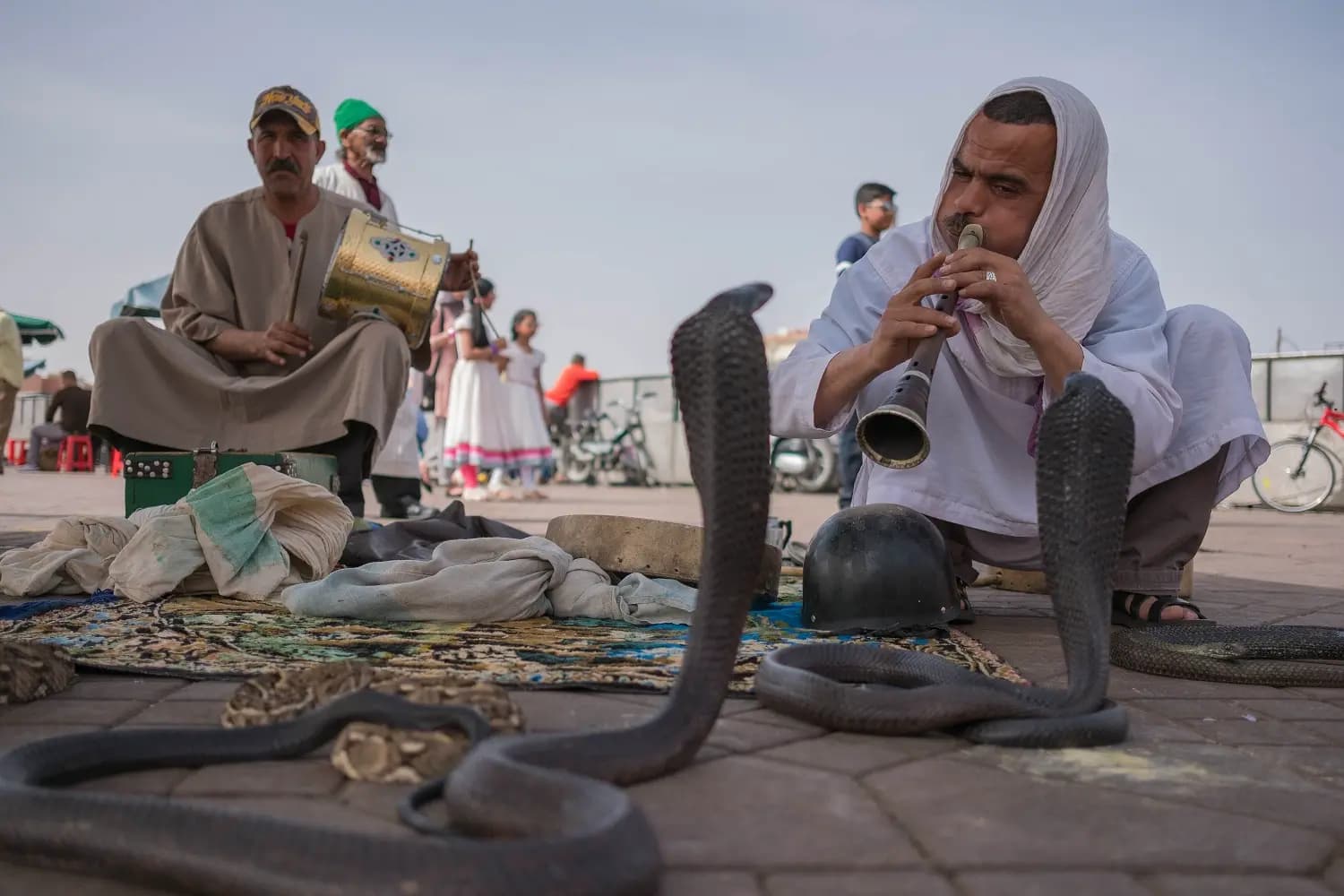
Jemaa El Fna Square Marrakech
Jemaa El Fna Square Marrakech: an authentic cultural immersion. Practical tips, local cuisine, and traditional shows.
Read the full guide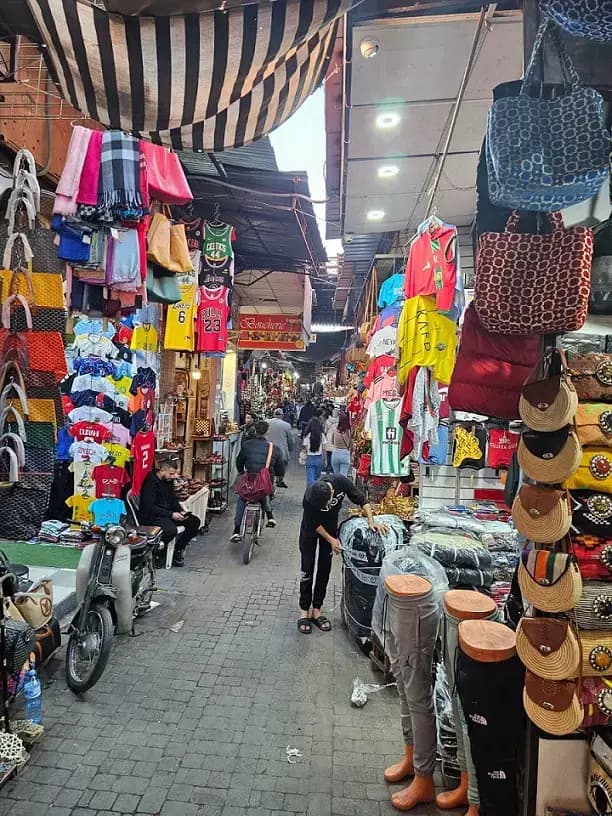
06
Marrakech Souk
Explore the Marrakech souk, where every corner reveals treasures and encounters. Immerse yourself in a world of tradition, craftsmanship and
Read the full guideAn hour or two away
Day trips around Marrakech
The getaways that are truly worth it, on a full or half-day basis.
Ourika Valley and Setti Fatma waterfalls
1h de Marrakech, 65 km sud
The easiest getaway from Marrakech: a verdant valley at the foot of the Atlas Mountains, with a river running through it, lined with waterfront cafés. At Setti Fatma, a short hike leads to a series of waterfalls. Ideal for taking a breather from the intensity of the medina, especially in spring when nature explodes.
Imlil and the High Atlas
1h30 de Marrakech, 65 km sud
The starting point for hikes to Toubkal, North Africa's highest peak. Even without aiming for the summit, Imlil and its Berber villages offer beautiful walks, stunning mountain scenery and a warm welcome from the locals. A breath of altitude just an hour and a half from the city.
Ouzoud waterfalls
2h30 de Marrakech, 150 km nord-est
The highest waterfalls in Morocco, plunging over a hundred meters into a lush canyon. You descend along a shady path through olive groves, often in the company of magot monkeys, and can approach the falls by boat. It's a long day, but the view is well worth the trip.
Agafay Desert
45 min de Marrakech, 40 km sud-ouest
No dunes here, but a lunar desert of stone, with the snow-capped Atlas as a backdrop. It's the closest desert to Marrakech: perfect for an end-of-day camel ride, sunset and dinner in a caïdal tent. The alternative to the Sahara when time is short.
Essaouira, city of the trade winds
2h30 de Marrakech, 175 km ouest
A breath of Atlantic air: wind-beaten ramparts, lively fishing port, white and blue Unesco-listed medina, and a much more relaxed atmosphere than Marrakech. A day trip, although Essaouira deserves an overnight stay to enjoy its sunsets and art scene.
When to come
When to visit Marrakech? Weather and seasons
Marrakech has a dry continental climate, with scorching summers and mild winters that are cool in the evenings. The best time to visit, without a doubt, is spring (March to May) and autumn (September to November) - warm, sunny days, pleasant evenings, and magnificent light on the red earth ramparts.
Summer (June to August) is harsh: it's often 38 to 45 degrees, and the medina, without a breath of air, becomes stifling in the middle of the day. If you come at this time of year, plan your visits for early morning and late afternoon, and choose a riad or hotel with a swimming pool - it's not a luxury, it's a necessity.
Winter (December to February) is a pleasant surprise: 18 to 20 degrees during the day, plenty of sunshine, but evenings and nights quickly drop to 5 to 8 degrees. Bring a warm jacket for the evenings, especially if you're staying in a riad in the medina, where the patios are not always heated.
Something to bear in mind: during Ramadan, the rhythm of the city changes - many shops and restaurants close during the day and reopen after the fast is broken. The atmosphere is beautiful and special in the evening, but the tourist offer slows down during the day. Check dates before booking.
How long
How many days to visit Marrakech?
For the heart of Marrakech - the medina, souks, major monuments and Jemaa el-Fna - allow two to three full days. This is the time you need to avoid rushing through everything, and to leave enough time to lose yourself in the narrow streets, which is still the best way to get a feel for the city.
Our recommendation: three nights minimum. The first day for the historic medina (Koutoubia, Bahia, Medersa Ben Youssef, Saadian Tombs), the second for the souks, a craft workshop and a real break in a garden, the third more free, for a stroll or a neighborhood you'll want to revisit.
If you also want to explore the surrounding area - the Ourika valley, the High Atlas, the Ouzoud waterfalls, the Agafay desert or a day in Essaouira - add one or two days. Marrakech is an excellent base camp: most of these excursions are day trips that take you back to the city to sleep in the evening.
On the ground
How to get around Marrakech
In the medina, the rule is simple: everything is done on foot. The alleyways are too narrow and densely populated for cars, and that's the best way to discover the area anyway. Download an offline map and be prepared to get a little lost - the walls look the same, but you always end up back on a main thoroughfare or on Jemaa el-Fna.
For longer journeys, small beige cabs are cheap and everywhere. Ask for the meter, or agree on the fare before you get in - a trip in town rarely costs more than a few dozen dirhams. Horse-drawn carriages, on the other hand, are above all a tourist experience: pleasant for a tour of the ramparts, but negotiate the fare in advance.
Marrakech-Ménara airport is nearby, around 15 minutes and 6 kilometers from the center. Cabs are available at the exit (rates to be arranged before departure), and some riads offer transfers. To reach other cities, the ONCF station serves Casablanca and Rabat by comfortable train, and CTM or Supratours buses cover the rest of the country.
Where to stay
Where to stay in Marrakech: neighborhood by neighborhood
Your choice of neighborhood makes a big difference to the experience of your stay in Marrakech. Here are the main ones, with our honest opinions:
The medinathe historic heart, within the ramparts. This is where you sleep in a riad, a traditional house with an interior patio. It's a total immersion, a stone's throw from everything, but it's also the noisiest, and you'll have to agree to finish on foot (cabs stop at the gates).
Guéliz (the new town)A modern, airy area with cafés, boutiques and restaurants. There are comfortable hotels and real peace and quiet in the evenings. It's the right choice if you want a relaxing base, even if it means taking a ten-minute cab ride to the medina.
WinteringThis is the district of the big hotels, spas and nightlife, right between Guéliz and the medina. Practical and chic, a little impersonal - perfect for those seeking comfort and proximity without the hustle and bustle of the souks.
La PalmeraieThe resort: some twenty minutes to the north, this is the domain of resorts with large swimming pools and gardens. Very quiet and restful, but out of the way: you need a car or cab for everything, and it's not the ideal base for visiting the city on foot.
Kasbah and MellahThe "souks": south of the medina, quieter, a stone's throw from the Bahia Palace and the Saadian Tombs. A good alternative to the hustle and bustle of the souks.
Good to know
FAQ: your questions about Marrakech
Do I need a visa to visit Marrakech?
When is the best time to visit Marrakech?
How many days does it take to visit Marrakech?
Is it better to sleep in a riad or a hotel?
Is Marrakech safe for tourists?
How do I get to the center from the airport?
Should you negotiate in the souks?
Is it safe to drink tap water in Marrakech?
What to wear in Marrakech
What to do in the evening in Jemaa el-Fna?
Excursions from Marrakech
Marrakech or Agadir: which to choose?
Shall we go?
Experience Marrakech with Immersi
Now that you know what to see, here is how we bring it to life: our immersive activities in Marrakech, created with local artisans and guides.
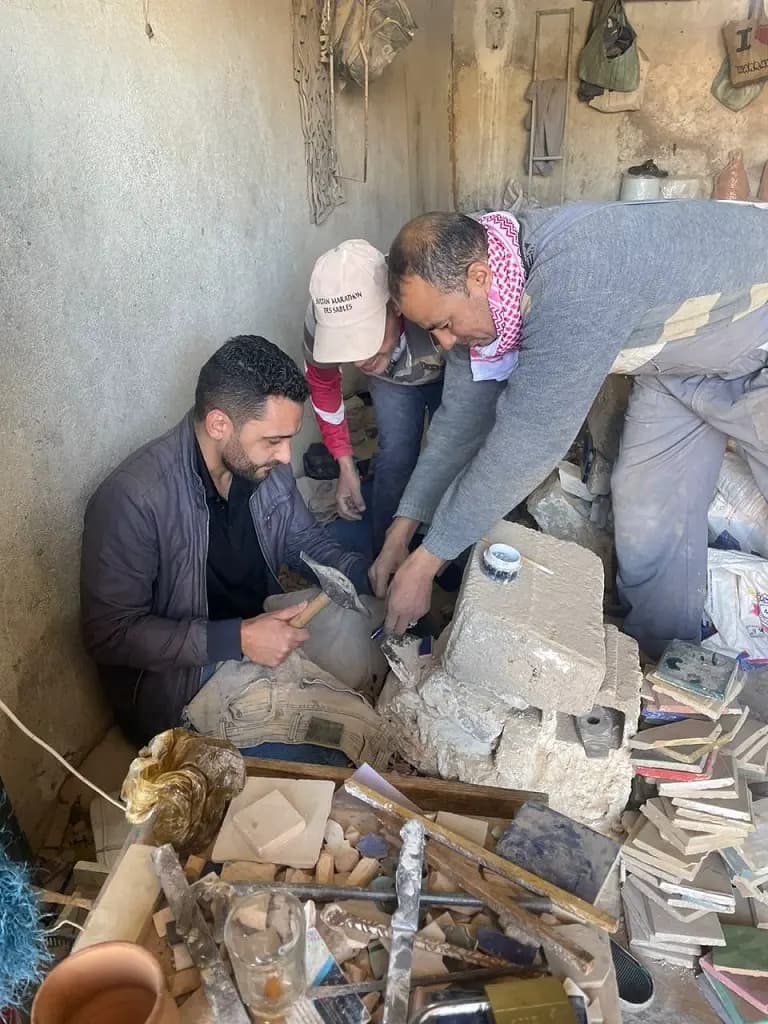
Zellige Workshop in Marrakech: Ceramic Tiles with a Master Craftsman
Zellige workshop in Marrakech’s Fekhara neighborhood: Spend 3 hours with a master artisan cutting your tiles and assembling your ceramic piece to take home.
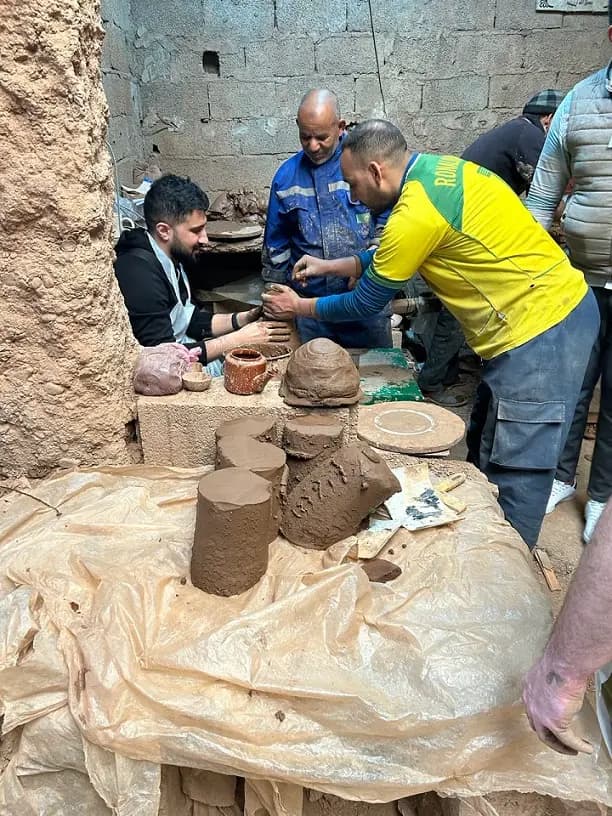
Pottery Workshop in Marrakech: Wheel-Throwing and Modeling at Artekech
A 1.5-hour pottery workshop in Marrakech, held in Fekhara, the historic pottery district. Shape your piece on the wheel with guidance from our artisans; glazing and firing are included.