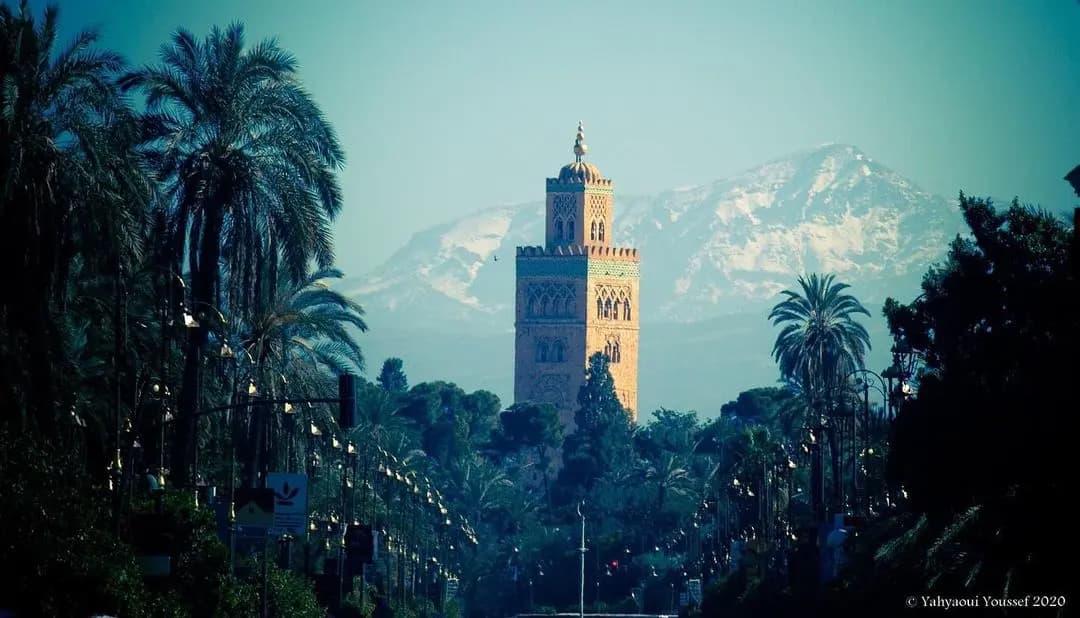
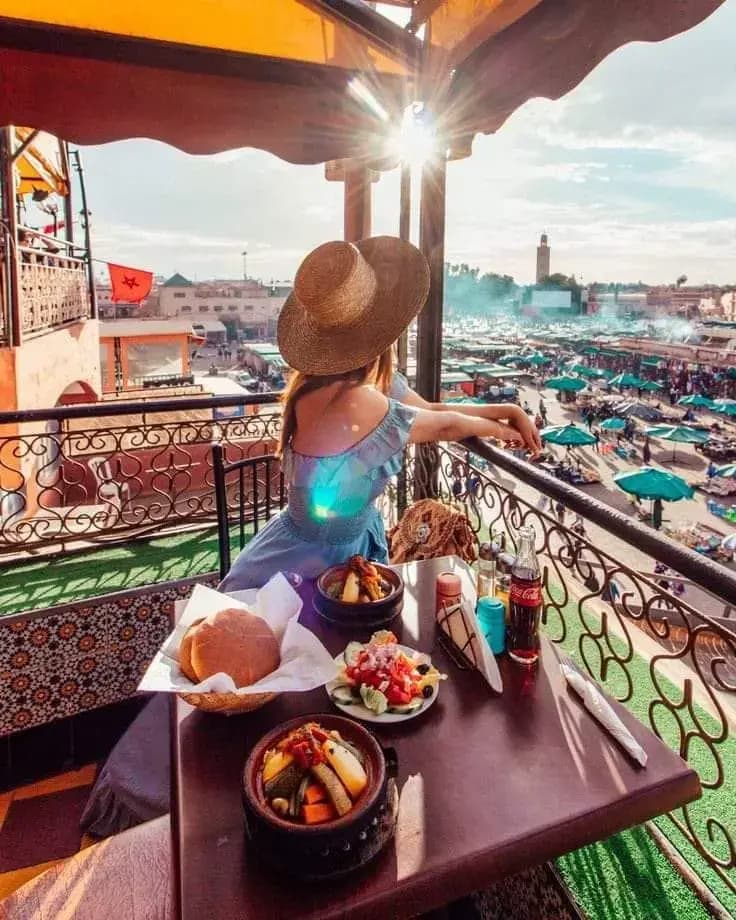
The city is built from pisé - rammed earth - and that warm ochre color is not a filter or a choice. It is the architecture responding to the light. Walk through the medina at different hours and you will understand why Marrakech has drawn painters, writers and travelers for centuries: the place physically changes depending on when you look at it.
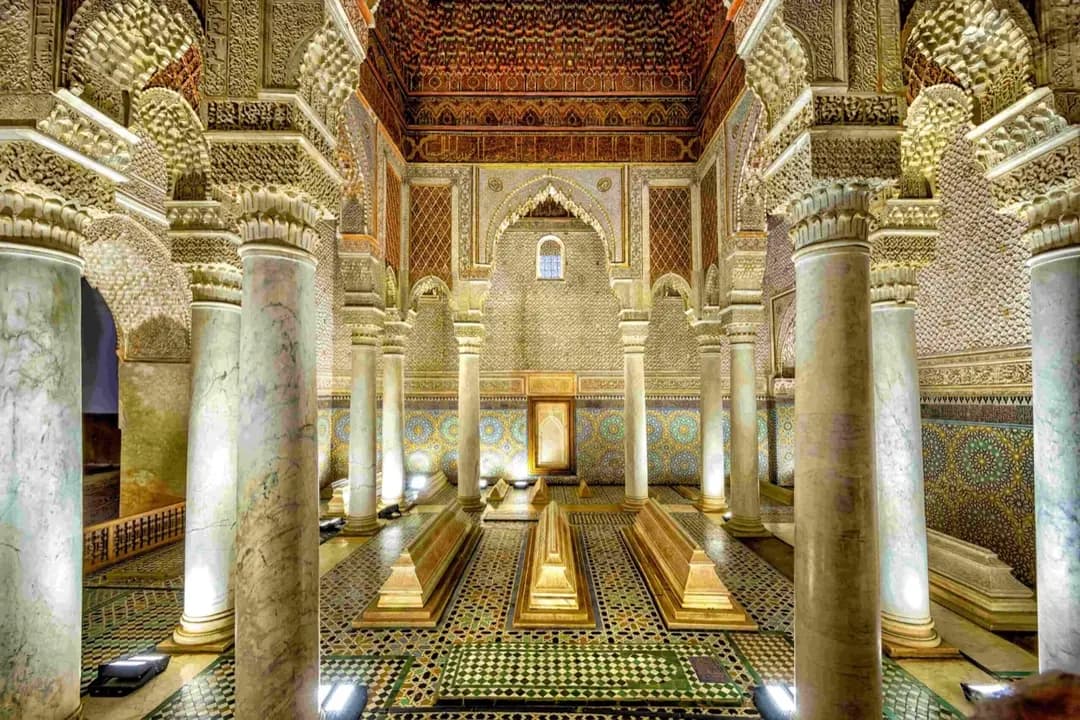
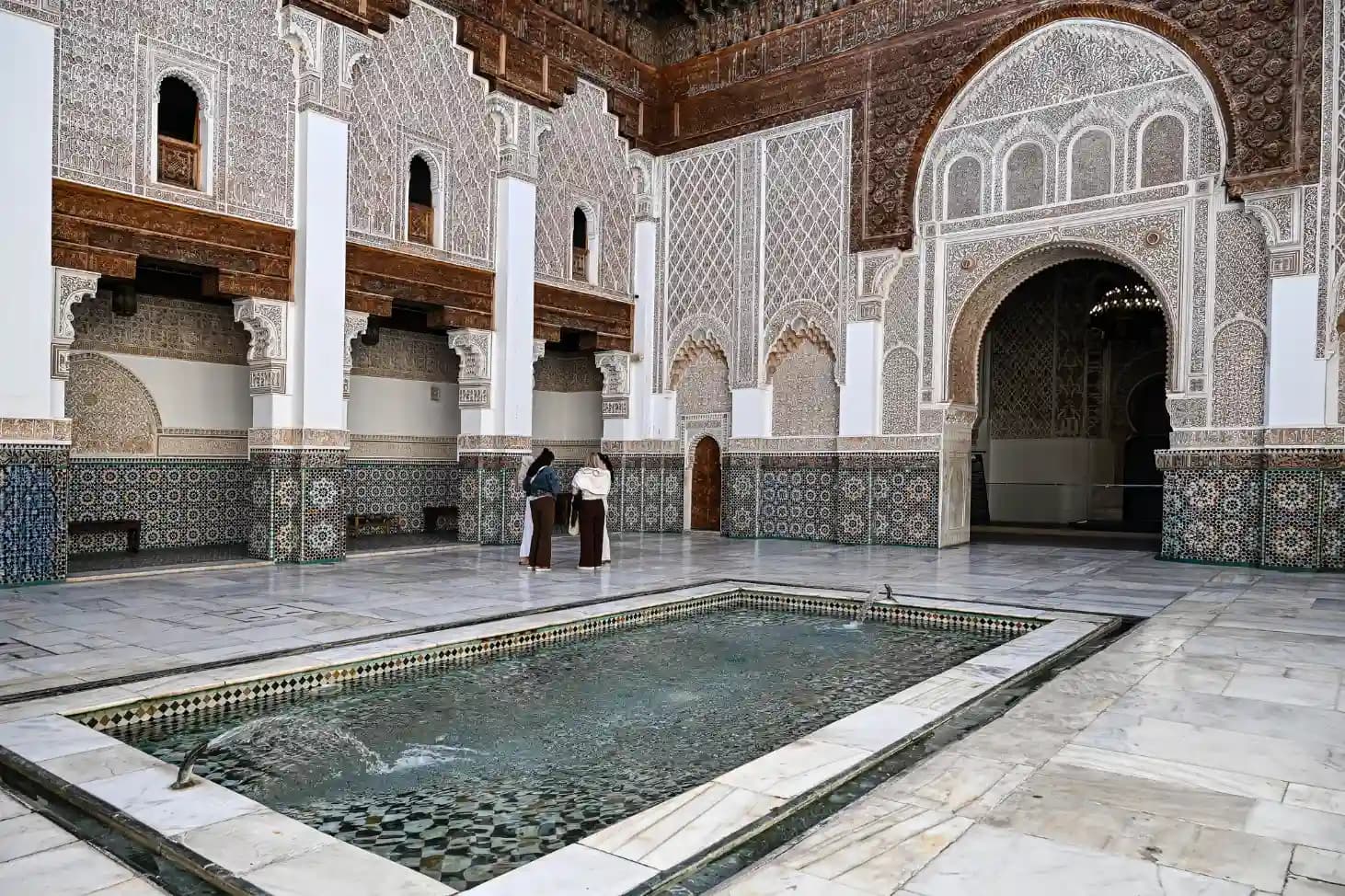
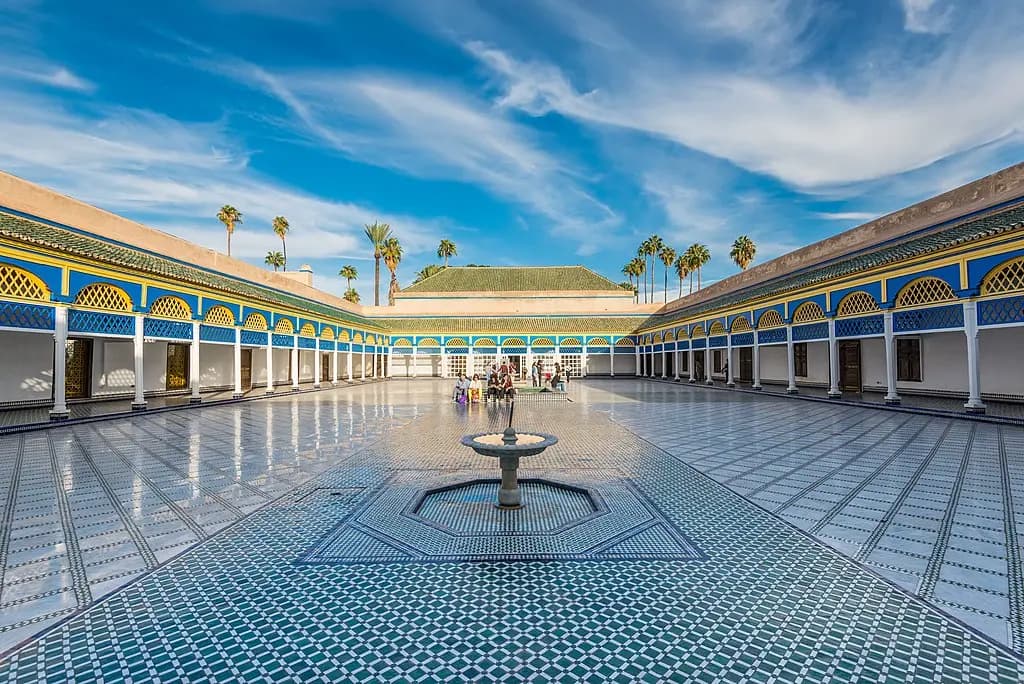
What makes Marrakech worth more than a weekend is the depth of its craft tradition. The Medersa Ben Youssef, the Bahia Palace, the Saadian Tombs: these are not relics from a closed chapter. They represent a continuity of skills - in tile-cutting, woodworking, stucco carving, leather dyeing - that still exists today in the same districts, practiced by the same trades.
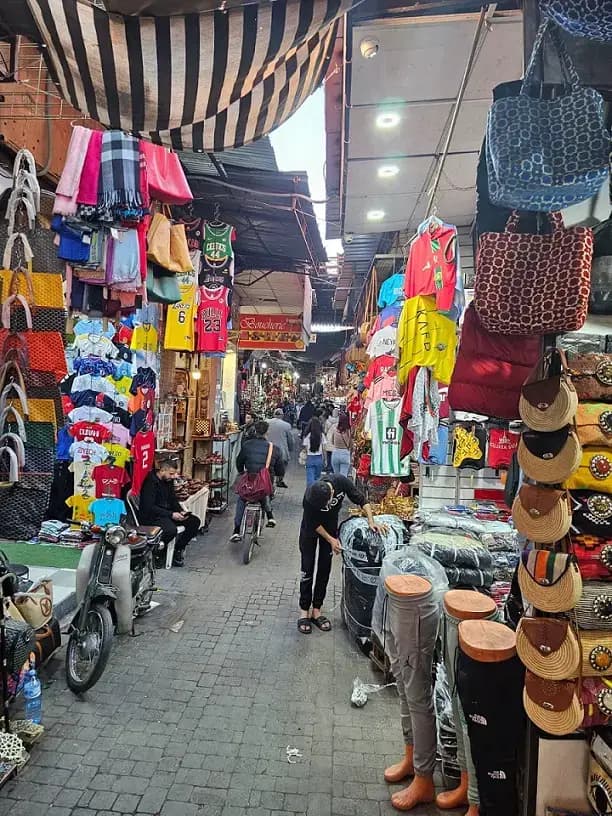
A maâlem (master craftsman) working chiseled copper in the Semmarin quarter will tell you plainly: the craft is not disappearing. It is simply not easy to find without someone who knows where to look.
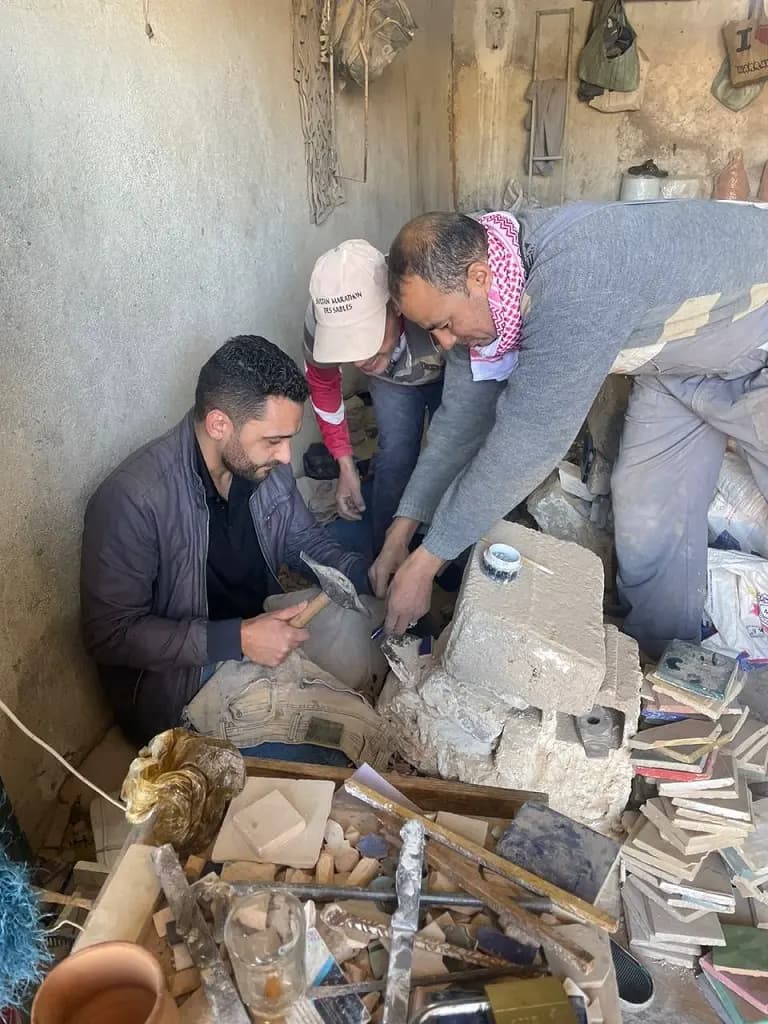
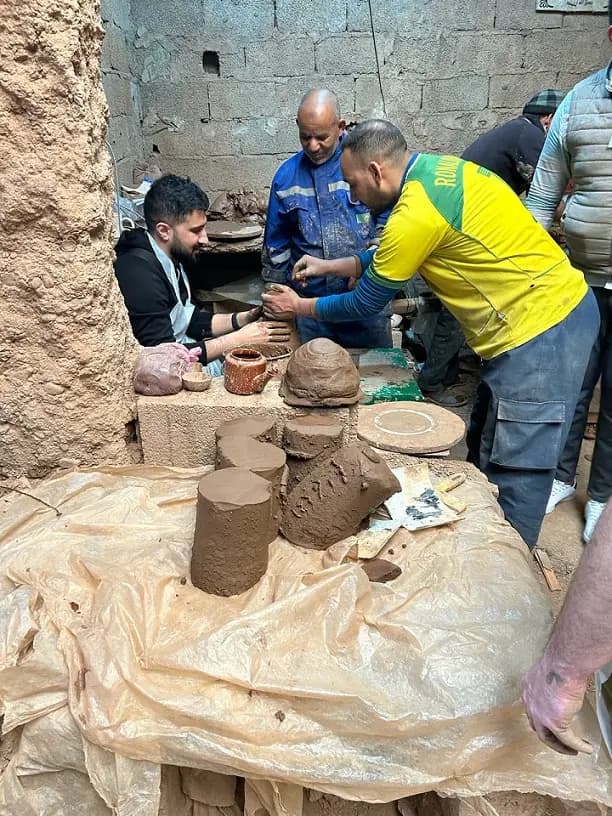
This is where guided access makes a real difference. A zellige workshop is a place where geometric patterns are cut tile by tile, each one by hand, assembled cold into floors and walls that will last centuries. Watching the process for an hour changes how you see every tiled surface in the medina.
The Atlas Mountains sit 45 minutes from the city center. The Ourika Valley, the mountain villages above Oukaimeden, Lalla Takerkoust lake, and the foothills of Toubkal all offer landscape that contrasts sharply with the density of the medina. Essaouira, three hours west, works well as a day trip or overnight escape: sea air, white ramparts, and a pace that resets the senses after Marrakech's intensity.