
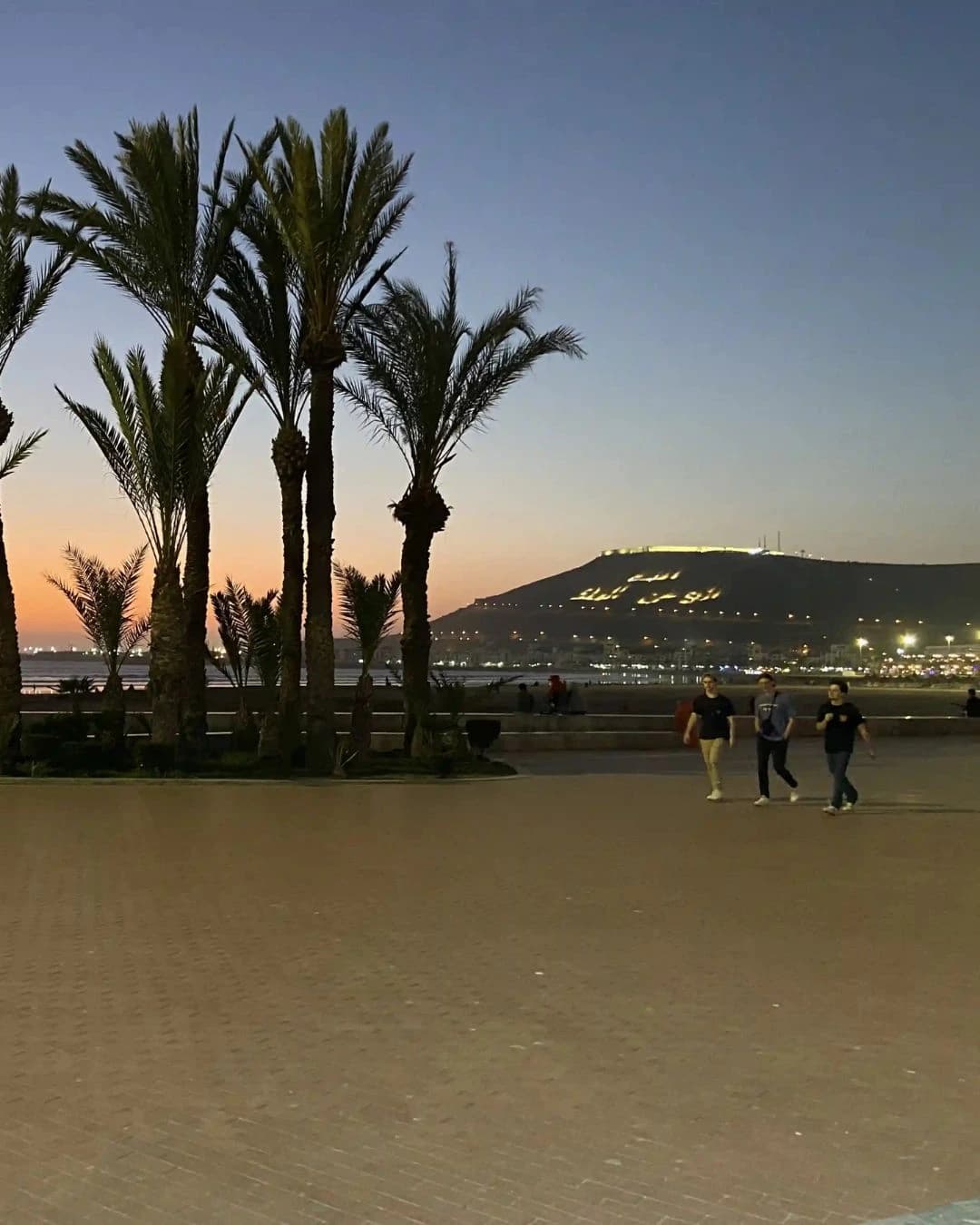
What to visit in Agadir: 12 must-see places picked by locals
We don't sell Agadir to you as a postcard. We know it because we grew up here, we work here, we take our friends here when they come ashore. It's a town that rebuilt itself after the 1960 earthquake, that learned to live facing the ocean, and that retains its soul in its alleyways, workshops and souks.
This guide is not a copy and paste from travel websites. We've written down what we'd go and see with you: 12 places we sincerely love, 5 excursions around the city that are well worth the detour, and everything we'd like to have been told before our first visit, about the weather, transport, where to sleep and what to avoid.
For each place, you'll find a complete guide, written by us, with practical advice (times, access, prices, when it's least crowded). At the end, we show you how you can experience Agadir from the inside, if you want to go further than just visiting.
Contents
The heart of the guide
The 12 must-see places in Agadir
Everything worth seeing in Agadir, in the order we'd take a friend who has just arrived. Each place has its own full guide to read before or during your stay.
01
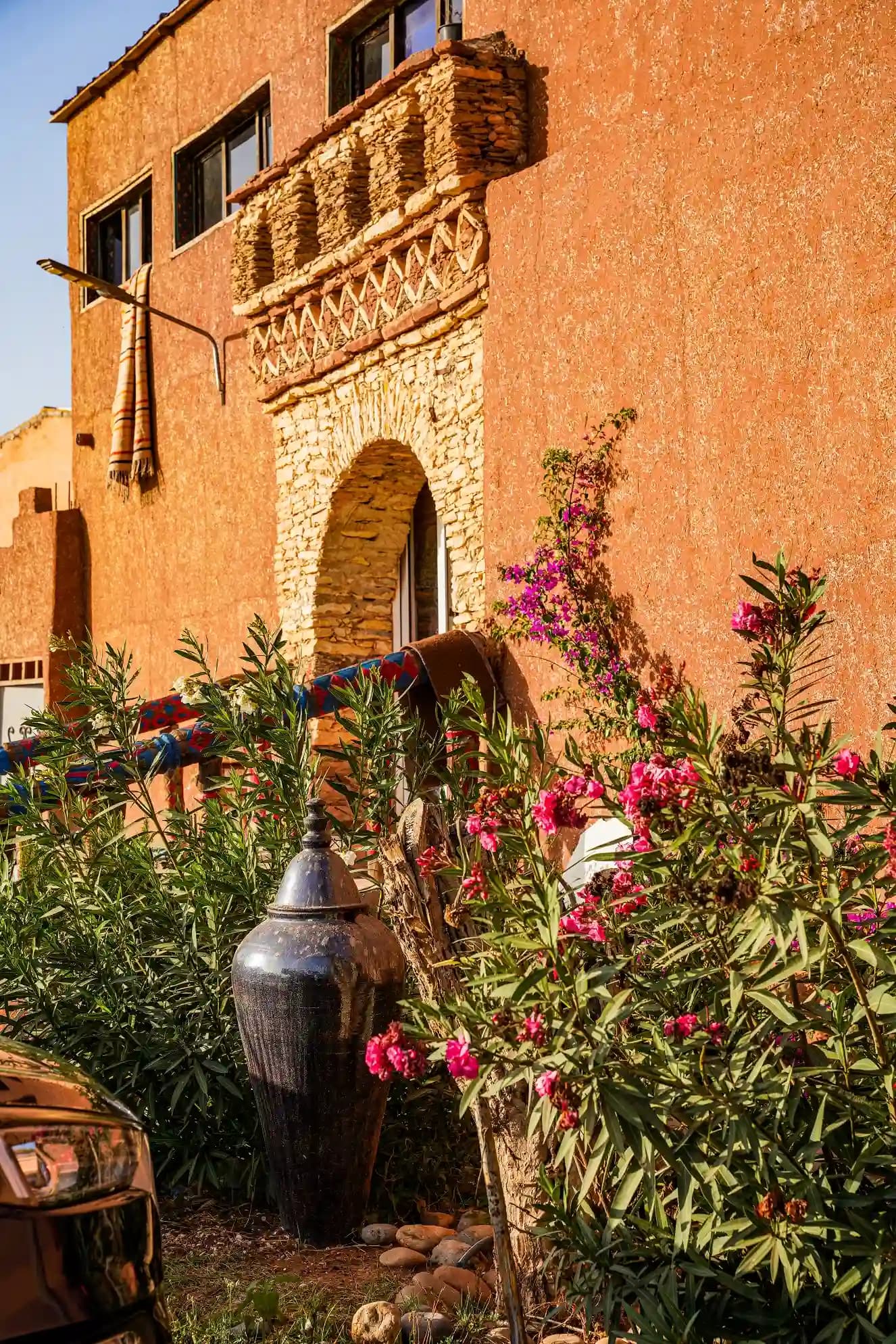
Kasbat Souss Agadir
Welcome to Kasbat Souss Agadir. More than 60 artisans welcome you every day... For taxis: Bensergao - Village des artisans
Read the full guide02
Le jardin d'Olhão à Agadir : visite, histoire et infos pratiques
Parc public gratuit du quartier Nouveau Talborjt, le jardin d'Olhão se visite en 20 à 30 minutes et abrite le musée Mémoire d'Agadir, consacré au séisme de 1960. Notre guide complet : histoire du jumelage avec le Portugal, tarifs, horaires et conseils de visite.
Read the full guide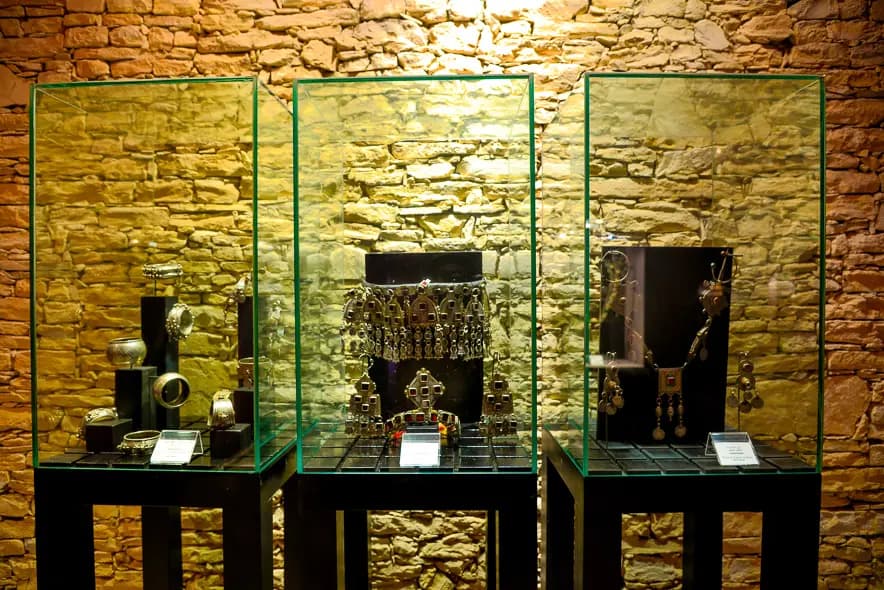
03
Agadir Amazigh Heritage Museum
Discover the Amazigh Heritage Museum of Agadir, a Moroccan cultural jewel, revealing the history and crafts of the Amazighs
Read the full guide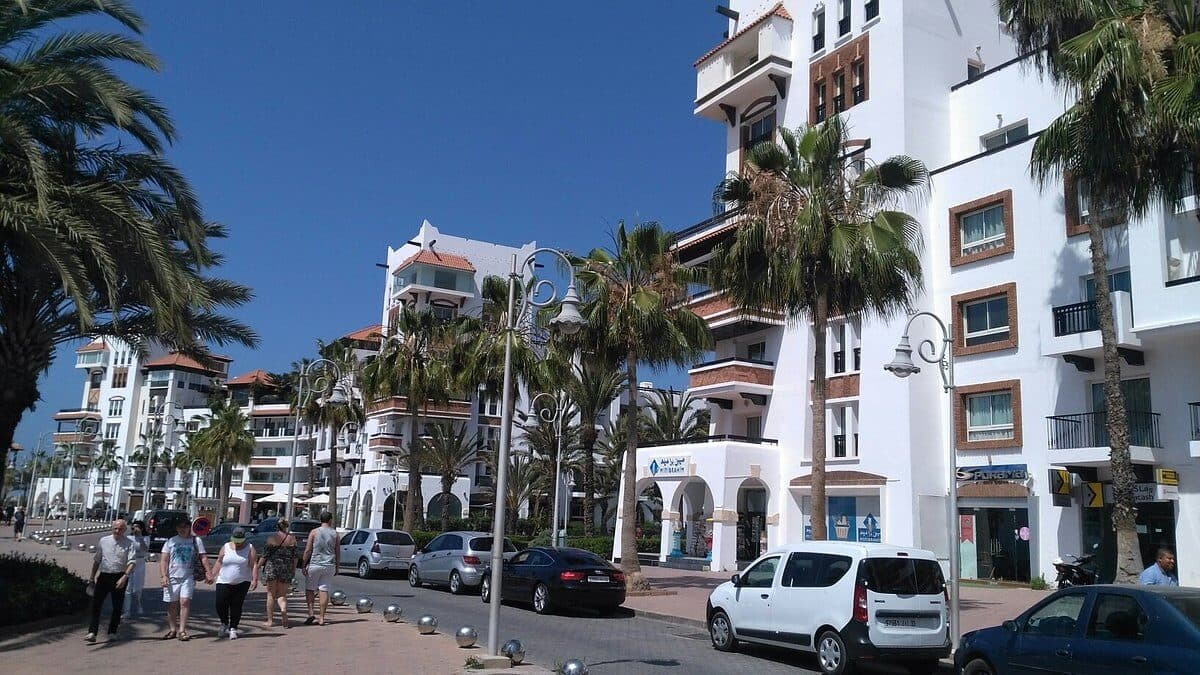
04
Agadir Marina
Explore Agadir Marina: luxury, elegant boutiques, fine dining, and exciting water activities. The place to be in Agadir
Read the full guide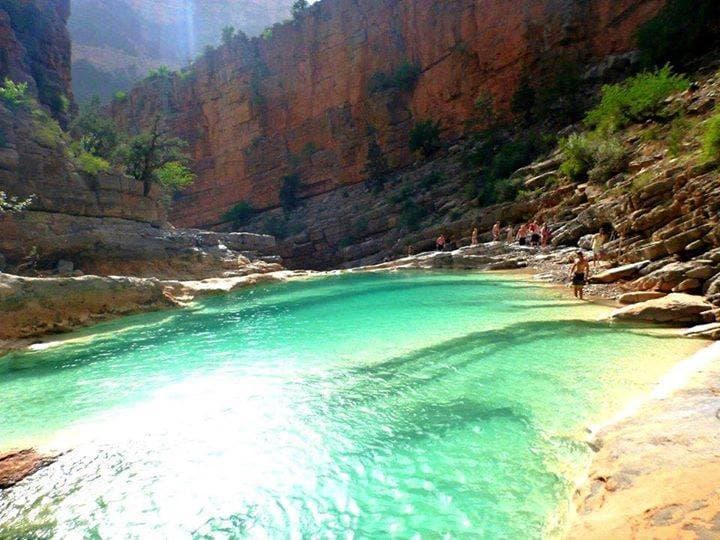
05
Paradise Valley Agadir
Discover the Valley of Paradise: a hidden treasure of Morocco, where breathtaking nature, rich culture, and adventures await you. Explore it
Read the full guide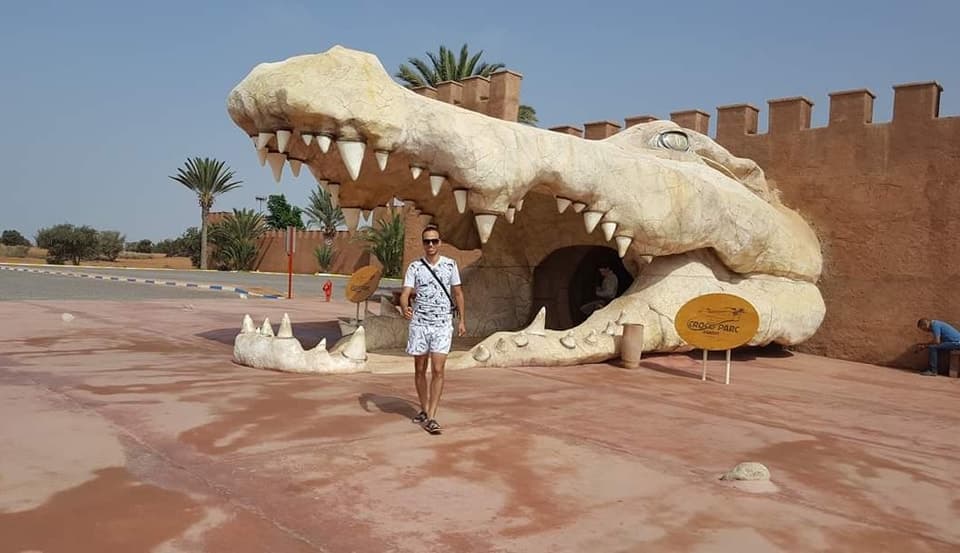
06
Croco Park Agadir
Explore the Croco Park Agadir, an educational and entertaining place where you can observe crocodiles up close and marvel
Read the full guide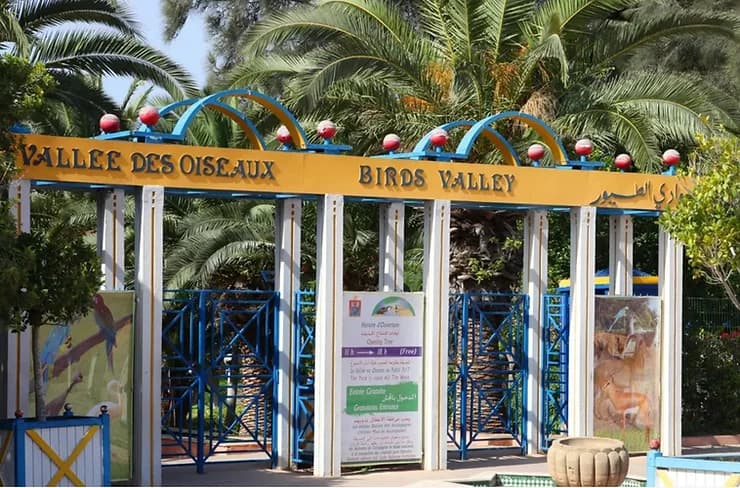
07
Valley of birds Agadir
Discover the Valley of birds Agadir, a real paradise for nature lovers and bird watchers. Closed for works - Opening during 2024 postponed
Read the full guide
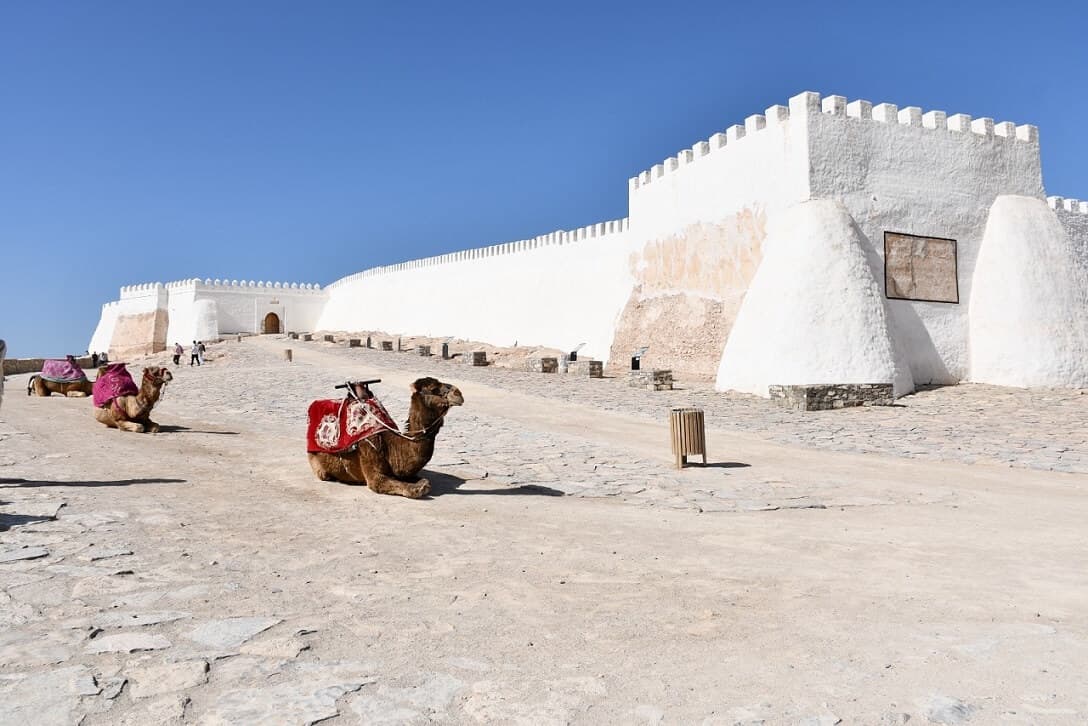
09
Agadir Kasbah
Discover the majestic Agadir Kasbah, an emblematic site offering breathtaking views of the city, the beach and the surrounding area.
Read the full guide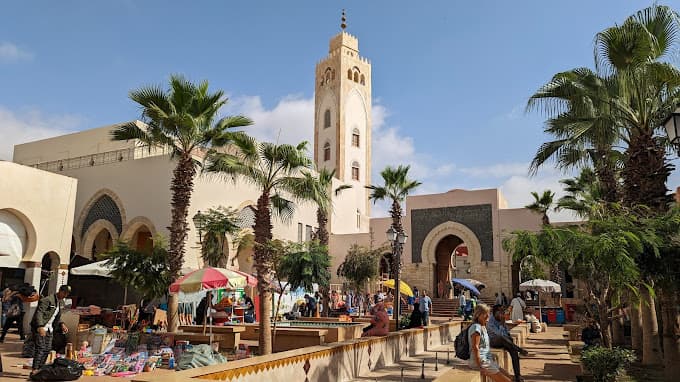
10
Souk Agadir, souk El Had, a place not to be missed!
The Souk El Had Agadir is a must-see market in Agadir. You will be able to discover the Moroccan culture and make local purchases.
Read the full guide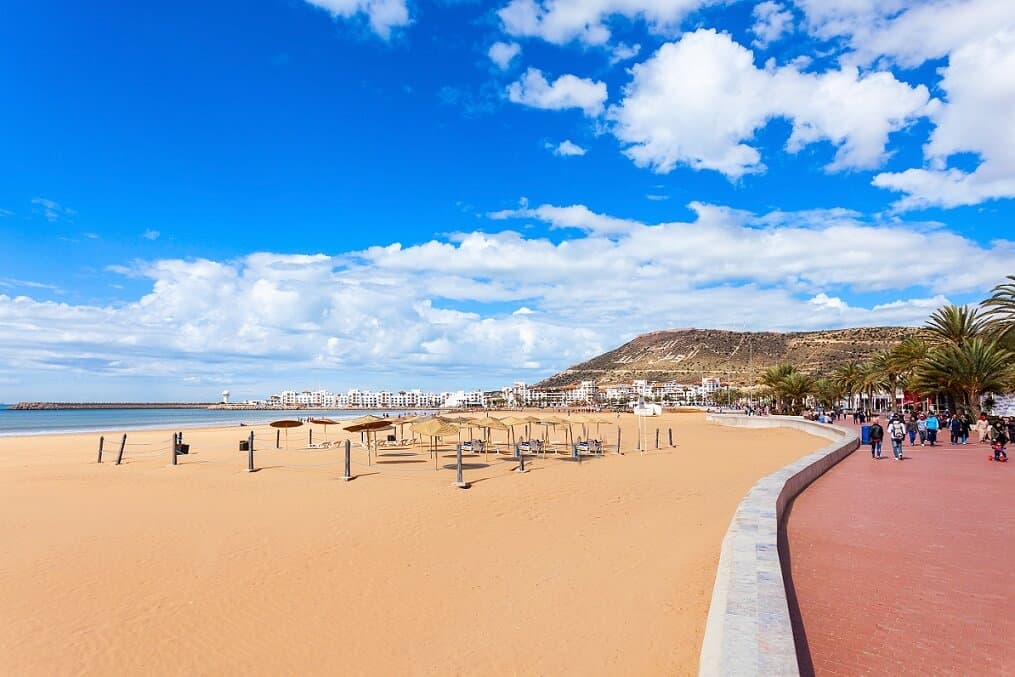
11
Agadir Seaside
Agadir seaside is lined with palm trees, restaurants, cafes, shops and hotels. One of the best places by the sea.
Read the full guide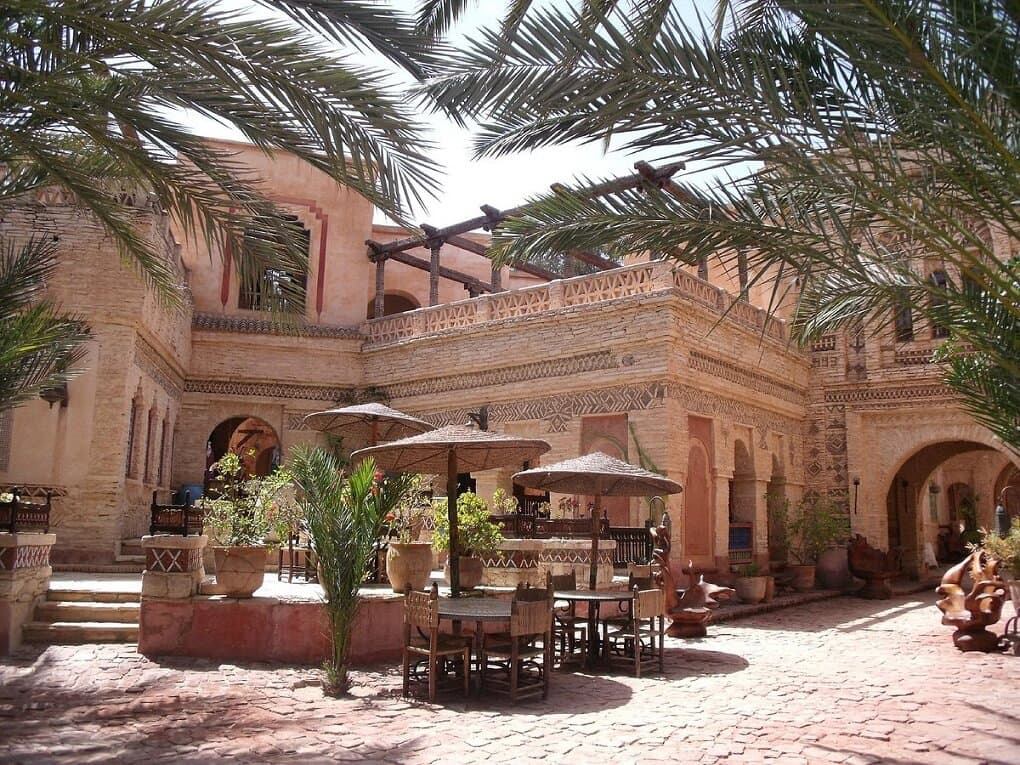
12
Agadir medina
Discover the Agadir medina, the magnificent medina designed and created by Coco Polizzi. This emblematic places of Agadir will leave
Read the full guideAn hour or two away
Day trips around Agadir
The getaways that are truly worth it, on a full or half-day basis.
Paradise Valley
45 minutes au nord (60 km)
This is the favorite excursion of the Agadiris themselves. A canyon in the Anti-Atlas, with turquoise pools and waterfalls that can be discovered after an easy 30-minute walk from the parking lot. The water is cool even in summer, and the rocks ideal for drying off in the sun. Go early in the morning (before 10am) to have the pools almost all to yourself. Avoid summer weekends when the locals flock here.
Taghazout
20 km au nord (30 min)
The former fishing village turned surfing capital of Morocco. Relaxed atmosphere, beach cafés, surf schools on every corner. Even if you don't surf, it's worth spending a sunset lunch here. The best-known spots are Anchor Point and Killer Point for experienced surfers, and Banana Beach for beginners. The area is changing fast, but the village atmosphere is still there.
Souss-Massa National Park
1h au sud (60 km)
33,800 hectares of nature reserve home to the world's largest population of endangered bald ibis, oryx, gazelles, foxes and wild cats. Varied landscapes: dunes, cliffs, marshes, deserted beaches. For birdwatchers, this is one of the rarest spots in North Africa. Best to go early in the morning (before 10 a.m.) with a local guide who knows where to find the wildlife.
Tiznit
1h15 au sud (90 km)
The town of Berber jewelers. A silver souk renowned throughout Morocco, with well-preserved 19th-century pise ramparts and an authentic atmosphere far from the tourist circuit. A half-day visit with a stop for lunch at a cafe in the main square (Mechouar). Ideal if you want to bring home an authentic Moroccan jewel: you negotiate by weight, not by the piece.
Taroudant
1h15 au nord-est (80 km)
Often referred to as little Marrakech, but without the crowds. A medina entirely surrounded by 7 km of ochre ramparts built in the 16th century, two souks (Berber and Arab), leather, jewelry and carpet artisans still working like their grandfathers. Combine with a traditional lunch in Assarag Square. No tourists after 4pm, it's a magical time to stroll around.
When to come
When to visit Agadir? Weather and seasons
Agadir enjoys 300 days of sunshine a year and an average annual temperature in excess of 17°C. This makes it a destination you can visit almost all year round, but there are a few subtleties we'd like to share with you.
March to Junesummer: it's our favorite season. The skies are clear, temperatures hover around 22-25°C, the ocean is warming up, and there's plenty of room everywhere. Ideal for hiking in the Vallee du Paradis, surfing and strolling through the medina without cooking.
July to AugustSummer: this is the high tourist season and the time when Agadir is at its liveliest. Temperatures rise to 28-30°C during the day, but the ocean softens things up. Beware of the local phenomenon of morning fog, which often lasts until 10-11 a.m. by the sea before the sun comes out again. Moroccans from the big cities go down to the beach, where the atmosphere is festive, but prices rise.
September to Novemberthe second golden window. The summer crowds have dispersed, the water stays at 22-23°C until November, and sunsets over the bay become spectacular.
December to FebruaryAgadir: the low season, which isn't really a low season in Agadir. 18-20°C during the day, cool in the evening, perfect for cultural visits. A few showers are possible in January, but they never last. This is the quietest period and hotels are half as expensive.
Our advice: come in April-May or October. You'll have the perfect climate without the crowds.
How long
How many days to visit Agadir?
It all depends on what you want to do. We tell you frankly what we recommend, depending on the format.
2 days (weekend)You can cover most of the center. A morning in Souk El Had and Agadir's medina, an afternoon at Kasbah Oufella with the telephone at sunset, and a day along the Corniche between swimming and lounging. It's a short trip, but it gives a true picture of the city.
4 daysThis is the format we recommend most. You keep the center for 2 days and add two days of excursions: one to Vallee du Paradis (hiking + swimming in the turquoise pools) and one to Taghazout for surfing and the fishing village atmosphere.
7 days or moreYou start to experience Agadir, not just visit it. You can fit in a crafts day (Kasbat Souss, raffia or pottery workshop), a more in-depth nature day (Souss-Massa with the bald ibis), and leave time for meetings and evenings by the sea. This is our preferred format when accompanying someone.
On the ground
How to get around Agadir
Agadir is spread out (the city is more than 6 km along the bay), so you'll need to get around. Here's how we do it.
Al Massira Airportis 25 km southeast of the center. Allow 40 minutes by cab, around 150 dirhams (€13) during the day and 200 dirhams at night (after 7pm). Always ask for the meter or negotiate the price before getting in, it's the local reflex.
The little orange cabs(are the most convenient mode of transport. It rarely costs more than 20-30 dirhams to cross the city. The meter starts at 1.60 MAD. Make sure it's running, it's compulsory.
Local buses(ALSA) cover the city well for 4-5 dirhams a ticket. Line 37 takes you from the airport to Inezgane, then 20, 24 or 28 back to the center. It's slow but authentic.
Car rentalis worth it if you want to explore outside Agadir. Allow 25-40 €/day depending on the season. Ideal for Vallee du Paradis, Taghazout, Tiznit or Taroudant.
WalkingThe Corniche is the best way to get a feel for the city.
A word of warning: Uber, Bolt and Heetch are not based in Agadir. Rely on cabs or local apps like Careem.
Where to stay
Where to stay in Agadir: neighborhood by neighborhood
Choosing the right neighborhood can make a big difference to your Agadir experience. We'll guide you according to your profile.
Founty (Cite Founty / Founty Bay)The "Balneaire": this is the upscale seaside district, just a 10-minute walk from the beach and marina. Here you'll find the major hotel chains (Sofitel, RIU, Robinson) and residences with swimming pools. Quiet, green, ideal for families or if you just want to relax. Count 80-200 €/night depending on the season.
Cite SuisseJust west of Talborjt, this is the neighborhood we recommend for those seeking peace and quiet while remaining close to the center. European architecture inherited from the 60s, discreet restaurants, residential atmosphere. Good price/location compromise: €40-80/night.
TalborjtAgadir: the historic center, the most authentic, to the east. You can eat Moroccan food for 50-80 dirhams a meal, meet more Agadiris than tourists, and the cafés are full in the evening. Small hotels and riads at 25-50 €/night. This is the place to go when you have a friend who's either broke or curious.
On the Corniche / Boulevard du 20 AoutIf you want to sleep with the sea at your feet, this is the place. More lively, noisier, but immediate beach access. Count 50-120 €/night.
Avoid for a first short stayTikiouine and the southeastern districts, too far from the center, impractical without a car.
Our advice: for 4 nights or more, Cite Suisse + one night in Taghazout (35 km north) to break the rhythm.
Good to know
FAQ: your questions about Agadir
Do I need a visa to visit Agadir?
When is the best time to go to Agadir?
Is Agadir safe for tourists?
How much does a stay in Agadir cost?
Is it possible to swim in Agadir all year round?
Is there a historic medina in Agadir?
What's the difference between Agadir and Marrakech?
How do I get to Vallee du Paradis from Agadir?
Can I pay in euros in Agadir?
Is it safe to drink tap water in Agadir?
What to wear in Agadir
Do you speak French in Agadir?
Shall we go?
Experience Agadir with Immersi
Now that you know what to see, here is how we bring it to life: our immersive activities in Agadir, created with local artisans and guides.
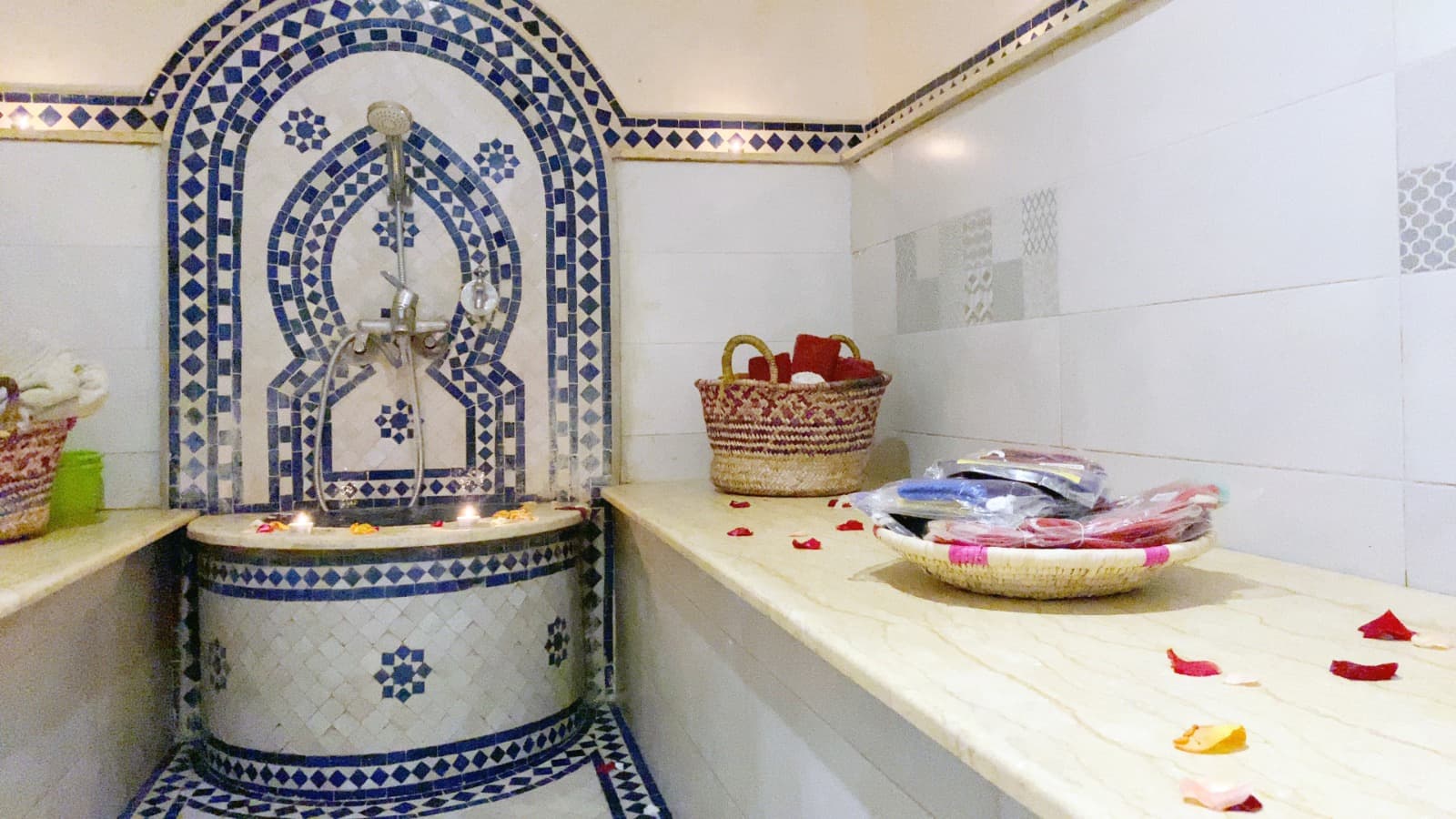
Hammam + massage in Agadir: the complete 2-hour wellness package
2-hour Hammam massage in downtown Agadir: Beldi steam ritual + Berber massage with argan oil. Private duo option available for two people. Free transportation. Adults only.
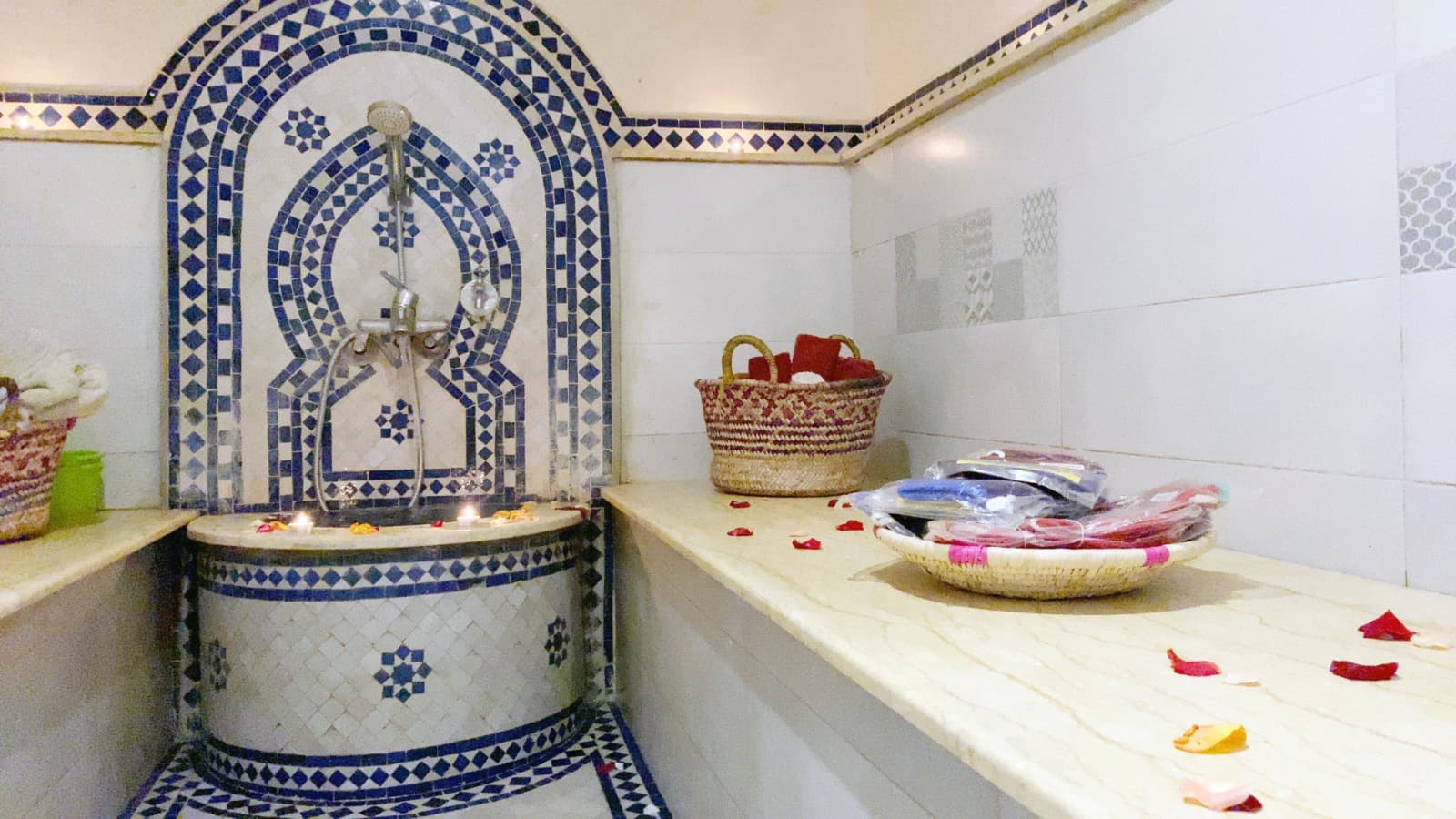
Traditional Hammam in Agadir: steam, black soap and kessa glove
Hammam traditionnel à Agadir au coeur du rituel marocain : vapeur, savon noir beldi et gant kessa. Transport offert depuis la zone touristique. Réservé aux adultes.
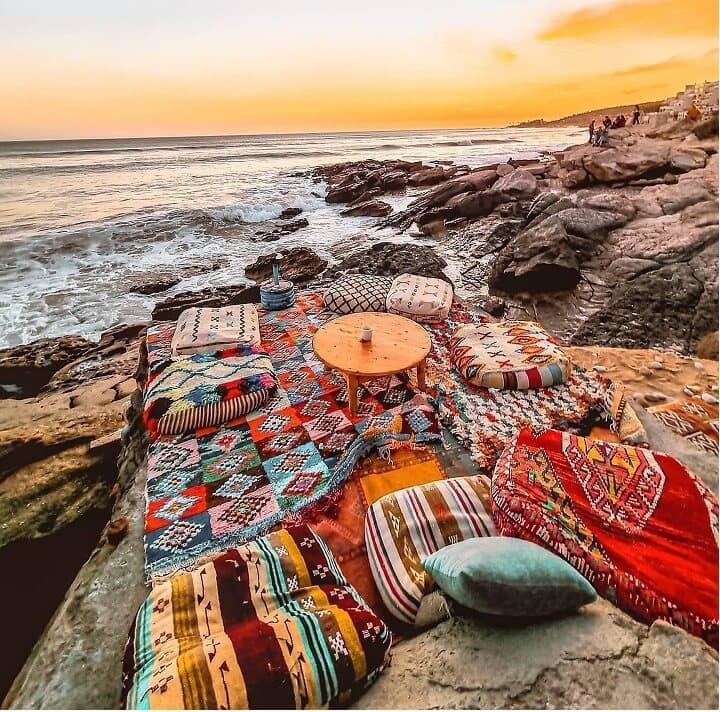
Taghazout-Timlaline Tour: Half-Day 4x4 Tour of Agadir’s North Coast
Private 4x4 tour of Taghazout on the north coast of Agadir: three villages, 4 hours, pickup included. Package price: 80 EUR per vehicle for 1 to 4 people.

Agadir Raffia Workshop: Hand Weaving with Bouchra
A 2-hour raffia workshop in Agadir with Bouchra, a craftswoman with 24 years of experience: hand-weave a key chain or a magnet shaped like a babouche, available in about ten colors.
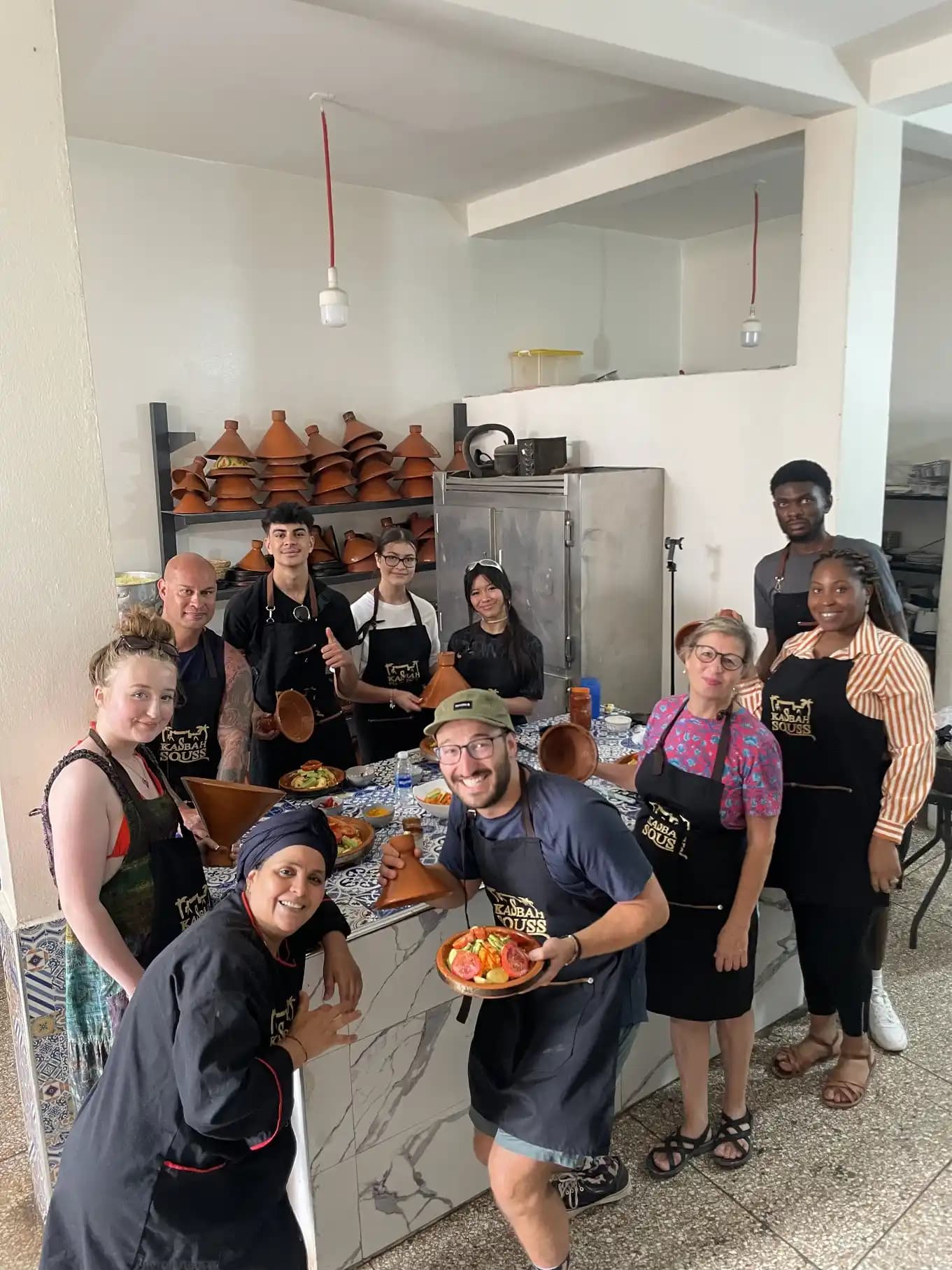
Agadir Kasbah Cooking Class with Chef Salma
Agadir Kasbah Cooking Class with Chef Salma: visit to the local market, choice of tagine, and lunch at a traditional restaurant. Transportation included. €35 per person.
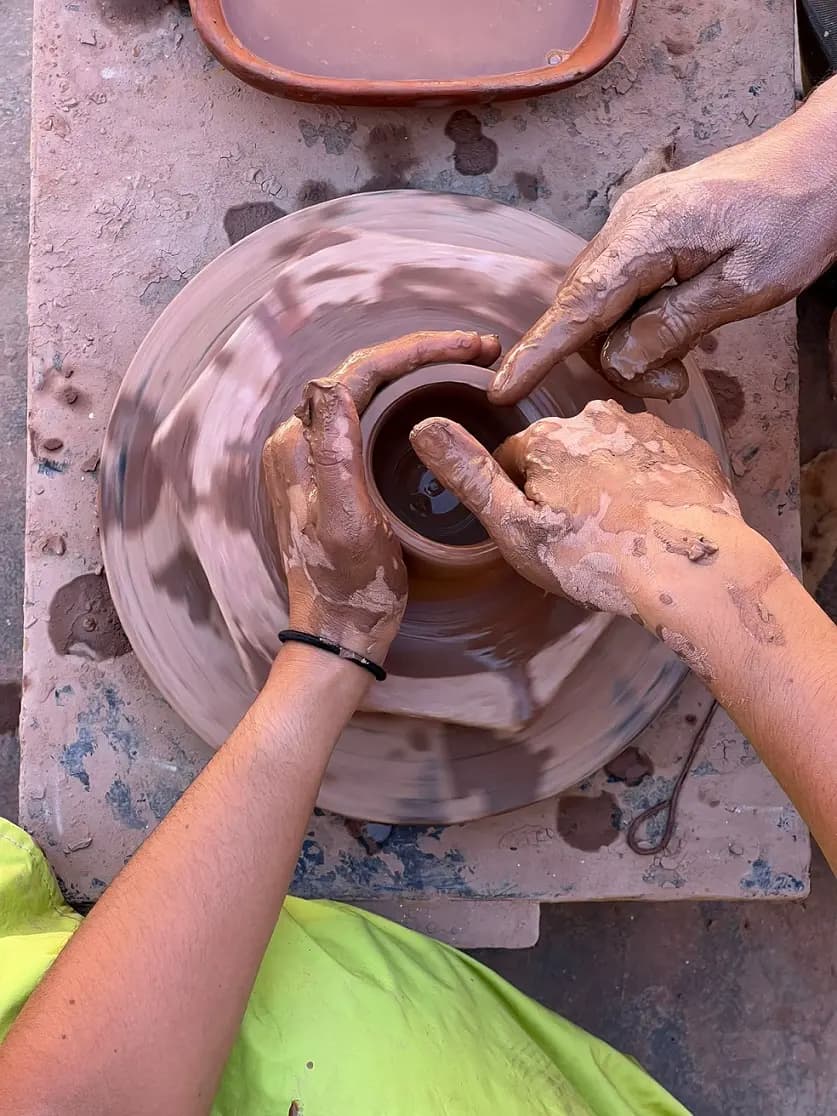
Agadir Pottery: Workshop with an artisan, 3 pieces to create
Pottery workshop in Agadir, 1.5 hours with Moustapha, a potter with 20 years of experience: create 3 pieces on the wheel using local clay, starting at €35. Small group, ages 8 and up.