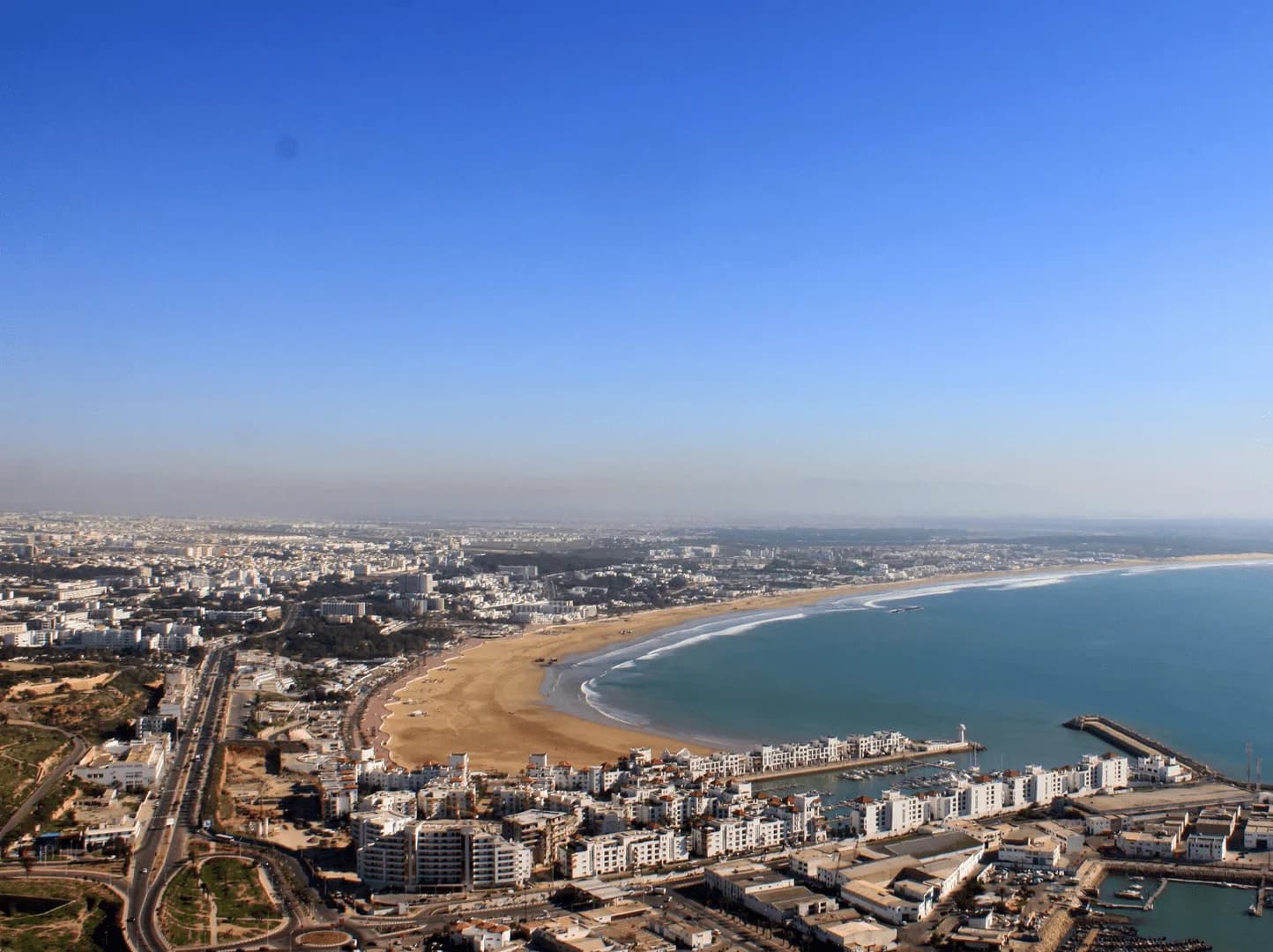
The Souss-Massa National Park is a 33,800-hectare nature reserve, established in 1991, that stretches along 65 km of the Atlantic coast south of Agadir, between the mouths of the Souss and Massa rivers.
It is one of the world’s last refuges for the bald ibis, and visitors can spot gazelles, reintroduced oryx, flamingos, and more than 250 species of birds on beaches that have remained untouched. But this is a vast wilderness park, not a zoo: here’s our guide to visiting it from Agadir-will you actually see the wildlife, which area to choose, what season to visit, and do you need a guide?
Practical information
Will we really see the bald ibis and other wildlife in Souss-Massa?
Let's be honest, because few guides mention this: no, nothing is guaranteed. Souss-Massa is a vast wilderness park covering 33,800 hectares-not a zoo. The bald ibis, a near-extinct bird for which this is one of the last refuges in the world, doesn’t show itself on demand, and some visitors leave having seen only a few gazelles.
To give yourself the best chance of success:
- Choose the right sector: Rokein, to the north (Saharan wildlife in enclosures, almost always visible), or Massa, to the south (wild birds and ibises, which are harder to spot).
- Choose the right season: The bald ibis nests from May through October; migratory birds pass through mainly from fall through spring.
- Bring binoculars: Without them, you'll only see half of what there is to see.
- Get a guide: A good local guide helps you see two to three times as many animals and knows where they were the day before.
With these tips in mind, your visit will go from a potential disappointment to a genuine encounter with rare wildlife. Without them, you may find the park “empty” and leave feeling frustrated, just like some visitors who came expecting a life-size zoo.
Why Souss-Massa National Park Is Unique
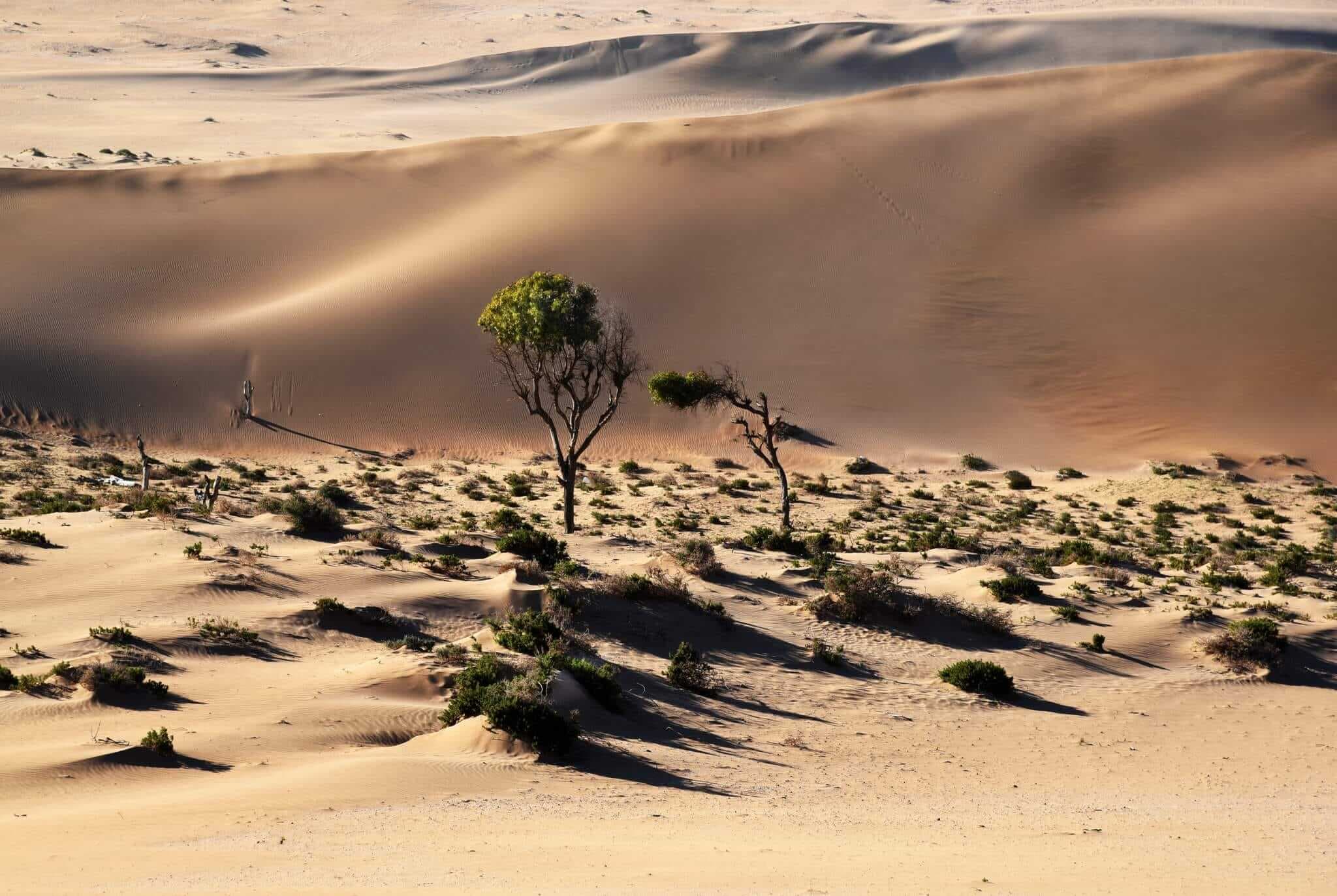
Not much is said about it, and that’s probably what saves it. The Souss-Massa National Park is neither the Serengeti nor an American-style fenced-in reserve: it’s a 65-kilometer-long stretch of coastline where several ecosystems converge within just a few kilometers-pre-Saharan steppe, coastal dunes, Atlantic cliffs, brackish-water estuaries, and palm groves.
This diversity explains the abundance of species: more than 250 species of birds have been recorded, a good half of which are migratory, and 300 plant species, 13 of which are endemic. The terrestrial fauna includes the Dorcas gazelle, the North African red-necked ostrich, the addax, and the gazelle oryx (all reintroduced in the Rokein area), as well as the rare caracal, which roams the steppe.
But the park’s star attraction is a bird with a bald head, bronze-black plumage, and a prehistoric appearance: the bald ibis (Geronticus eremita). There are approximately 500 to 700 individuals remaining in the wild worldwide, and nearly all of them nest on the park’s cliffs, in the Tamri area to the north and the Massa Reserve to the south.
This is one of the last places on Earth where you can observe in the wild a bird that humanity nearly drove to extinction-and is now saving at the last minute. If you had to pick just one reason to visit, this would be it.
Rokein or Massa: Which Area to Choose in the Souss-Massa Park
The park is divided into sections: there isn't a single "center," and depending on what you want to see, you'll head north or south. In summary: Rokein for nearly guaranteed Saharan wildlife and families, and Massa for wild birds, the bald ibis, and deserted beaches.
The Rokein Reserve: Saharan Wildlife Near Agadir
15 km south of Agadir lies the “safari” area: a fenced-in zone covering about 10 square kilometers where the National Office of Water and Forests has reintroduced Saharan species that Morocco had lost. There you will see:
- Dorcas gazelles in small groups
- Dama Mhorr gazelles, one of the most beautiful Saharan antelopes
- Scimitar-horned oryx with a white coat and lyre-shaped horns
- Addax with a sandy-colored coat
- North African red-necked ostriches
You can get there by car or 4x4 with a guide; expect to pay about 150 dirhams for a 1.5-hour guided tour on the 3-km “Gazelle Trail,” plus the entrance fee to the area (about 50 dirhams). This is the ideal option for families with children: wildlife sightings are almost guaranteed, the distances are short, and the steppe is breathtaking at sunset.
Along the route, you’ll get out of the vehicle several times at observation points, ideally at the beginning or end of the day when the wildlife is most active. In the summer, avoid visiting at noon: the animals hide in the few shaded areas between 11am and 4pm.
The Massa Reserve: Home to Birds and the Bald Ibis
Located 60 km south of Agadir, this is the "birds and wildlife" area. The mouth of the Massa River forms a brackish lagoon where tens of thousands of migratory birds stop to rest, and where bald ibises nest on the nearby cliffs. There are no fences or set trails-just a 5-km walking path, flat and accessible to everyone, that runs along the wadi toward the sea. Be sure to bring binoculars.
Depending on the season, you’ll spot flamingos, white spoonbills, gray herons, egrets, marbled teals, cormorants, ospreys, and stilts; as winter winds down, curlews and sandpipers pass through by the thousands.
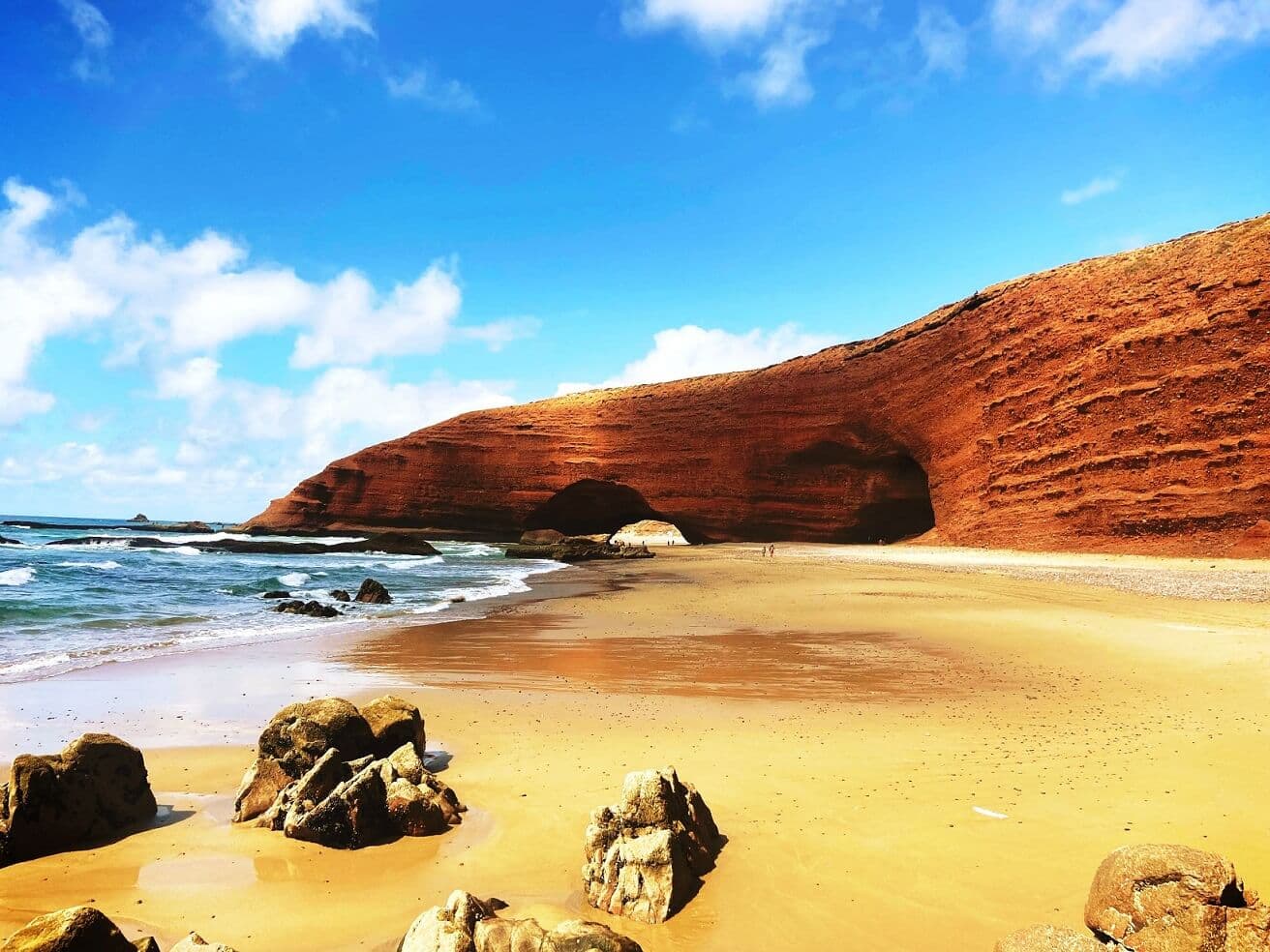
Bald ibises are most commonly seen from May through October on the coastal cliffs, where they descend in the late afternoon to feed. It is also here that you’ll find one of the last completely unspoiled stretches of coastline on Morocco’s Atlantic coast, at the mouth of the wadi, with no human development whatsoever.
Beyond simply observing, the area is ideal for hiking: several unmarked trails lead, in 2 to 4 hours, to the palm grove of the Massa Wadi and the neighboring steppe, where a guide knows the watering holes where wildlife gathers.
In Sidi R’bat, the small fishing village has a few huts where you can enjoy some grilled fish overlooking the ocean. Please note: there are no first-aid stations, showers, or bars in the Massa area, and there is no cell service. Bring water, food, and sunscreen, and take all your trash with you-the park’s fragile balance depends on it.
When to Visit Souss-Massa National Park
The climate is mild year-round, but depending on what you want to see, the season makes all the difference.
Birdwatching in Souss-Massa: Fall and Spring
From October through March, the park welcomes migratory birds arriving from Europe to spend the winter, and the wetlands teem with life: flamingos, ducks, and thousands of shorebirds. March-April and September-October are the peak migration periods, times of maximum diversity when birders can spot dozens of species in a single morning. This is the best time to visit if birdwatching is your primary interest.
See the bald ibis in Souss-Massa: May through October
It’s nesting season: you can see the ibises taking off from the cliffs in groups at daybreak and returning to feed their chicks in the late afternoon, after hunting for lizards and insects inland. In winter, they scatter and become much harder to spot.
For the Saharan wildlife of Rokein, the best time is year-round, with a preference for spring (March-May) when the vegetation turns green again and the gazelles give birth; however, avoid July and August, when temperatures reach 40 degrees and the animals retreat to the shade.
Winter nights drop to 8 degrees, and the Atlantic wind often blows: bring a windbreaker, and plan your outings for very early in the morning or late in the afternoon during the summer.
How to get to Souss-Massa Park from Agadir
For the Rokein sector, allow 30 minutes on the N1, then take the P1216 toward Inezgane and Aït Melloul; look for the "National Park" sign on the right; the road is paved all the way to the entrance.
For the Massa area, allow 1 hour and 15 minutes on the N1 to the Sidi R'bat roundabout (60 km), then 8 km on a sandy dirt road to the parking lot: passable in a standard car in dry weather, but a 4x4 is recommended in winter after it rains.
By public transportation, it’s doable but time-consuming: take a Supratours or CTM bus to Massa-village, then a grand taxi to Sidi R’bat-about 3 hours door-to-door.
The easiest option is still an organized tour: several operators in Agadir offer full-day tours starting at 350 to 500 dirhams per person, which is ideal for exploring both areas with a nature guide. To plan your entire trip, check out our guide Things to Do in Agadir and the Agadir City Page.
Why Hiring a Guide Makes All the Difference
You can visit the park on your own, but you’ll see two to three times fewer things than you would with a guide. A good local guide knows the trees where the ibises perch in the late afternoon, the ponds where the flamingos gather at dusk, the side trails in Rokein where the oryx pass through, and the Berber villages scattered throughout the park.
They’ll also point out the endemic plants you come across-sea buckthorn, reed grass, and souda-and will be able to interpret tracks and calls to spot what an untrained eye is sure to miss.
Expect to pay 300 to 500 dirhams for a nature guide for the day, and it’s best to look for a guide certified by the National Office of Water and Forests, who follows a strict code of conduct to avoid disturbing the wildlife. At the guard post in the Massa parking lot, the guard always knows where the ibises were the day before: ask him before setting out on the trail.
Practical Information and Extending Your Visit
Admission to the Massa Reserve is free; at Rokein, expect to pay about 50 dirhams per person for admission, plus the guide’s fee. Be sure to bring binoculars (essential-without them, you’ll only see half of what there is to see), a camera with a telephoto lens, closed-toe hiking shoes, a hat, sunglasses, sunscreen, water (at least 2 liters per person), a snack, and a windbreaker-even in summer.
The Massa area is family-friendly, but the 5-km trail may seem long for children under 8: stick to the 2-km route instead and be sure to bring plenty of water.
To stay as close as possible to the ibises (the best sightings are at sunrise, which means you need to be there before 6am in the summer), the village of Sidi R'bat offers two or three guesthouses starting at 200 dirhams per night, and a few huts there grill fish from the wadi for 70 to 100 dirhams per dish. There are no restaurants in Rokein: bring a picnic.
The park pairs well with other stops: to the south, Tiznit and its silversmiths (30 km away); to the east, the Valley of Paradise, a mountain oasis that stands in stark contrast to the coast. And for birdwatching without leaving the city once it reopens, the Valley of the Birds in Agadir will take over. If you're looking for a family outing with animals that's sure to be a hit, the Crocoparc in Drarga is the safest alternative.
In summary
The Souss-Massa National Park is an exception: just a few kilometers from the hotels in Agadir, you find yourself in a world where flamingos spread their wings over an estuary, where a gazelle crosses a trail, and where a bald ibis-the last remaining member of a nearly extinct species-watches you from the top of a cliff.
But this wilderness must be earned: choose Rokein for wildlife that’s almost guaranteed, or Massa for birds and ibises; come at the right time of year; bring binoculars; and, ideally, a guide.
Under these conditions, the visit transforms from a simple outing into a rare encounter in one of the last wild sanctuaries on Morocco’s Atlantic coast-an ecosystem that is slowly recovering and depends on every visitor to survive.
Keep reading
- Things to do in Agadir
- Kasbat Souss: 70 artisans at work 5 km from downtown Agadir
- Souk El Had Agadir: one of southern Morocco's biggest markets
- Agadir Seaside Promenade: What to Do, Swimming and Sunset
- The 1960 Agadir Earthquake: History and Rebirth of a City
- Agadir Medicine: Clinics, Emergencies and Care for Travellers