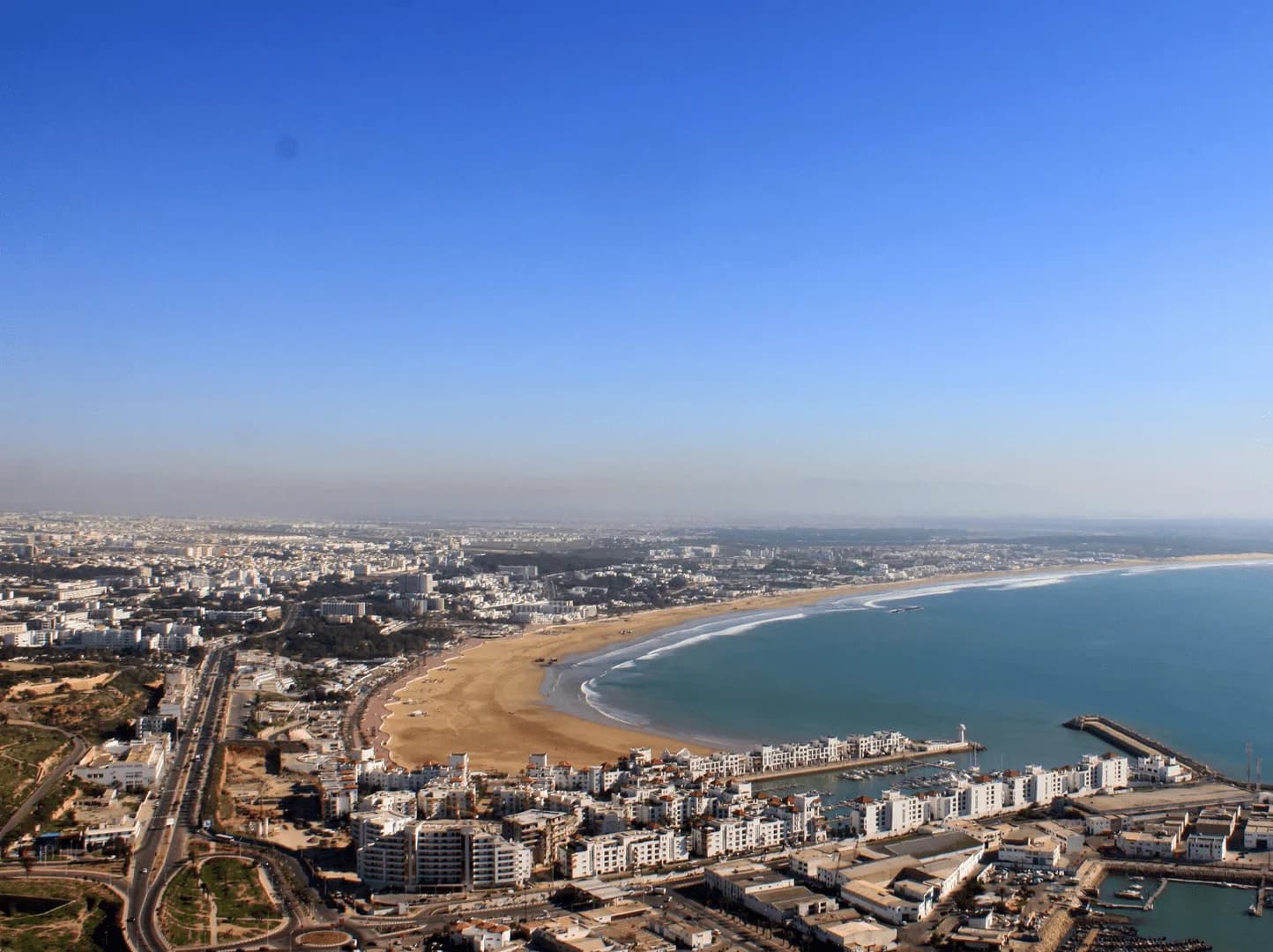
Timlaline is one of the last places on the Moroccan coast where the desert and the Atlantic meet without being interrupted by a single building. You drive up the coastal road from Agadir, pass Taghazout and its smoothie cafés, and continue for another forty minutes or so.
The road winds up and down, hugging the red cliffs. And suddenly, after one last turn, the landscape changes dramatically: a string of golden dunes appears, stretching right into the ocean. You’ve just arrived in Timlaline, in the municipality of Tamri.
Why Timlaline Remains a Well-Kept Secret
Located 60 kilometers north of Agadir, nestled between Taghazout and Imsouane, the Timlaline site has everything it takes to be a major tourist destination: dunes several meters high, a beach stretching for several kilometers, a photogenic natural cave, protected wildlife, and great surfing conditions. And yet, it remains largely off the beaten path.
The reason is simple: there is no direct paved road leading down to the dunes themselves. To reach Timlaline, you need a vehicle capable of driving the last 2 to 3 kilometers on the dirt track, or a local guide in a 4x4. This natural barrier has acted as a filter: no tourist buses, no hotels, no paved walkways. Just the sand, the water, and the wind.
Tamri, the neighboring village that gives the municipality its official name, completes the scene: a small, still-active fishing port where blue-and-white boats return in the morning with the day’s catch of sardines, red mullet, and bonito. A surf beach ranked among Morocco’s top 5. And right next to it, the Tamri River estuary, where, on certain mornings, you might spot a bald ibis-one of the rarest birds on the planet.
It’s this combination that makes Timlaline so special. In a single day, you can slide down a dune, eat grilled fish in front of fishermen’s boats, observe a prehistoric bird, and watch the sun set over a sea untouched by sails.
How do you get to Timlaline from Agadir?
By car, the easiest option
Allow 1 hour to 1 hour and 15 minutes by car from downtown Agadir. Follow the N1 north, pass through Taghazout, and continue toward Imsouane. The “Tamri” sign appears at about 60 km. Park in the village or continue on the dirt road to reach the Timlaline dunes.
The paved section is in good condition. The last 2 to 3 kilometers to the dunes themselves are on a sandy dirt road: a low-slung sedan can make it in dry weather by driving slowly; otherwise, an SUV or 4x4 is more comfortable. If in doubt, park in the village and finish the journey on foot-it takes about 35 minutes-and the scenery is well worth it.
On an organized tour from Agadir
This is the most convenient option. Several local tour operators offer a Timlaline-Tamri day trip that includes transportation, a guide, sandboarding, a camel ride, and tea, starting at 350 to 500 dirhams per person. If you just want to enjoy yourself without worrying about logistics, this is the right choice. Several of our tours departing from Agadir include this stop as part of a broader itinerary that combines nature, crafts, and cultural heritage.
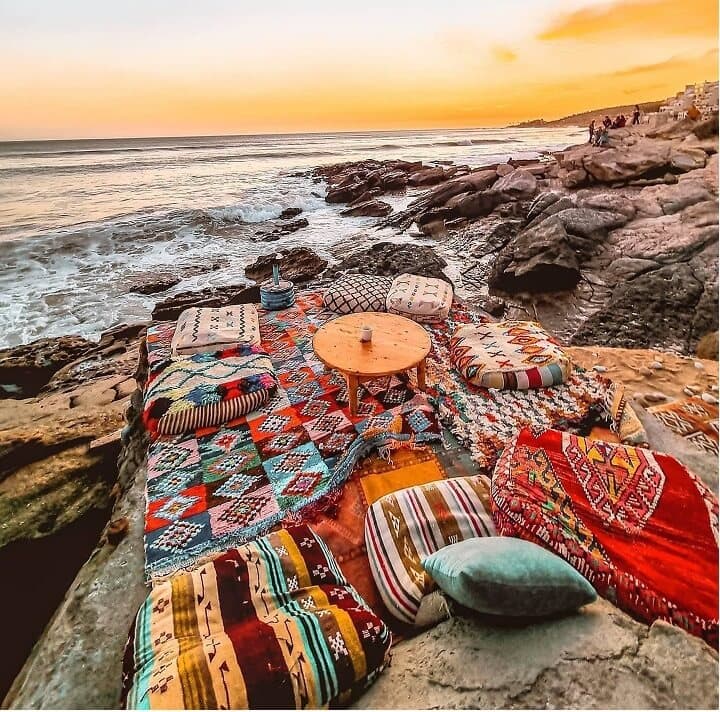
Activity · Agadir
Taghazout-Timlaline Tour: Half-Day 4x4 Tour of Agadir’s North Coast
Private 4x4 tour of Taghazout on the north coast of Agadir: three villages, 4 hours, pickup included. Package price: 80 EUR per vehicle for 1 to 4 people.
By grand taxi
It’s doable but less convenient. From the grand taxi station in Inezgane (Agadir), expect to pay 40 dirhams to reach the village of Tamri. From there, you’ll need to negotiate a fare with a local taxi to the dunes (50 to 80 dirhams, depending on the wait). Total travel time: 1.5 to 2 hours door-to-door.
What to see in Timlaline and Tamri?
The Timlaline Dunes
This is the site’s main attraction. A chain of dunes 30 to 50 meters high, stretching nearly 3 kilometers and running right up to the ocean. The sand is exceptionally fine, and its color shifts from blond to pink depending on the light. This is where you can go sandboarding, take camel rides, and ride quads.
The moment not to be missed: late afternoon. The low-angled sun highlights the ridges of the dunes; the shadows cast the sand in two contrasting shades; and just as the sun dips below the horizon, the sand turns almost red. If you’re looking for the perfect photo from your trip, this is the time to take it.
Timlaline Cave
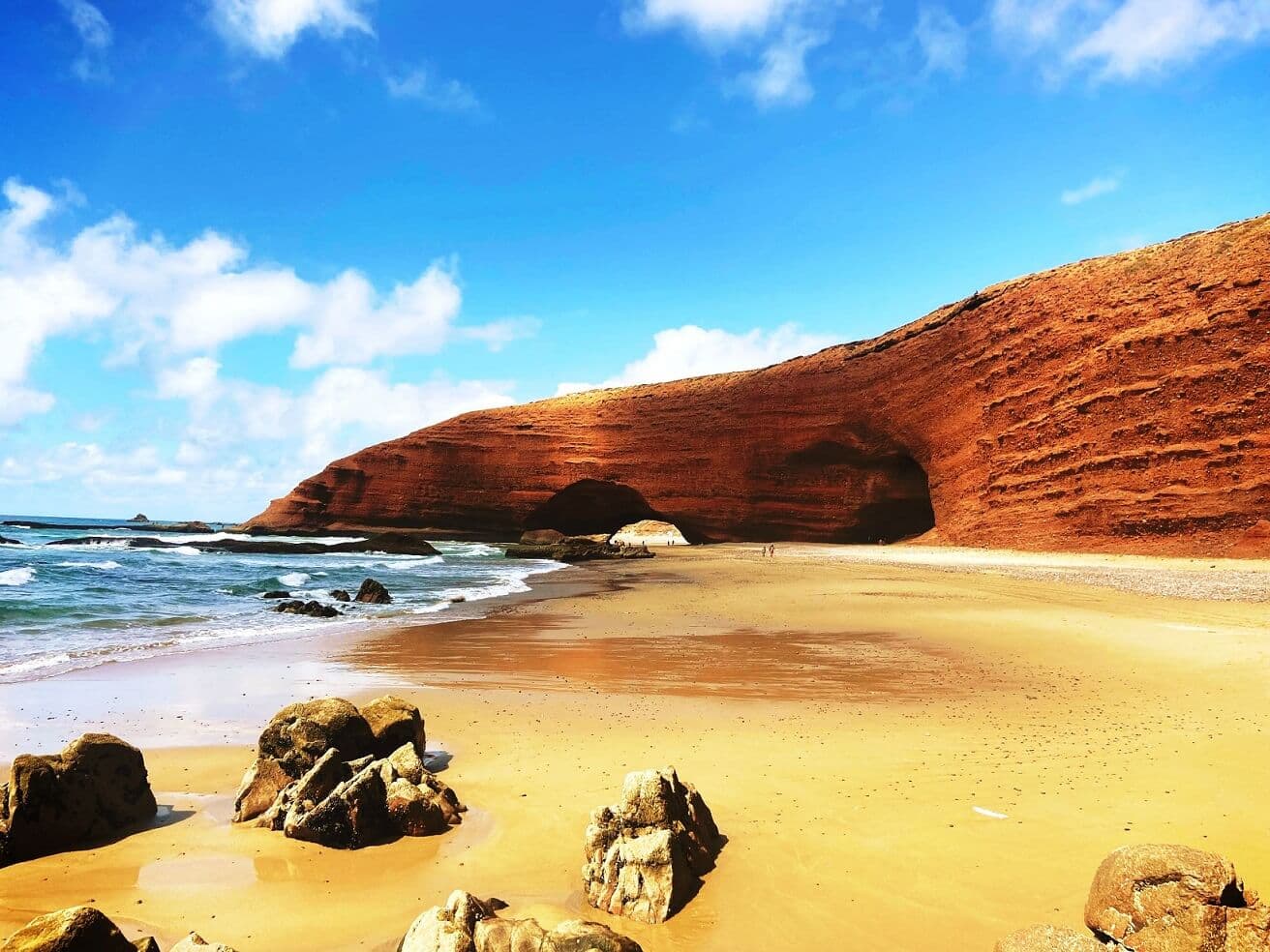
At the northern end of the beach, the ocean has carved a natural cave into the cliff. Seen from a distance, it looks like an arch resting on the sand. Inside, the light streaming in through the opening creates spectacular backlighting in the late afternoon.
Important: The cave is accessible only at low tide. At high tide, the water rises up to the cliff face and the passage becomes dangerous. Ask your guide for the tide schedule or check tide forecast websites before you go. Allow 1 hour round trip from the dunes on foot, following the beach.
Tamri Beach (surf spot)
If you’re a surfer or simply curious to see a real Moroccan surf scene, Tamri Beach is worth a visit. It’s one of the most consistent spots on the coast: a west-facing beach break that works from low tide to high tide, with waves suitable for all skill levels. Several local surf schools offer lessons starting at 250 dirhams per session.
Tamri Beach itself is much wider and wilder than Taghazout Beach. You can walk for kilometers along it, sometimes passing a shepherd and his herd of goats as they make their way down to drink at the estuary.
The Tamri Wadi Estuary
Just south of the village, the Tamri Wadi flows into the ocean, forming a brackish lagoon lined with sea buckthorn and tamarisk trees. It’s one of the last spots along the coast where you can spot the bald ibis, that prehistoric-looking bird with a bare skull, of which only a few hundred remain in the wild.
The ibises are best seen in the late afternoon, when they return to feed before heading back to the cliffs for the night.
You’ll also come across (rare) flamingos, egrets, storks, and cormorants. Be sure to bring binoculars: this is one of the best little birding spots in the region.
The Village of Tamri
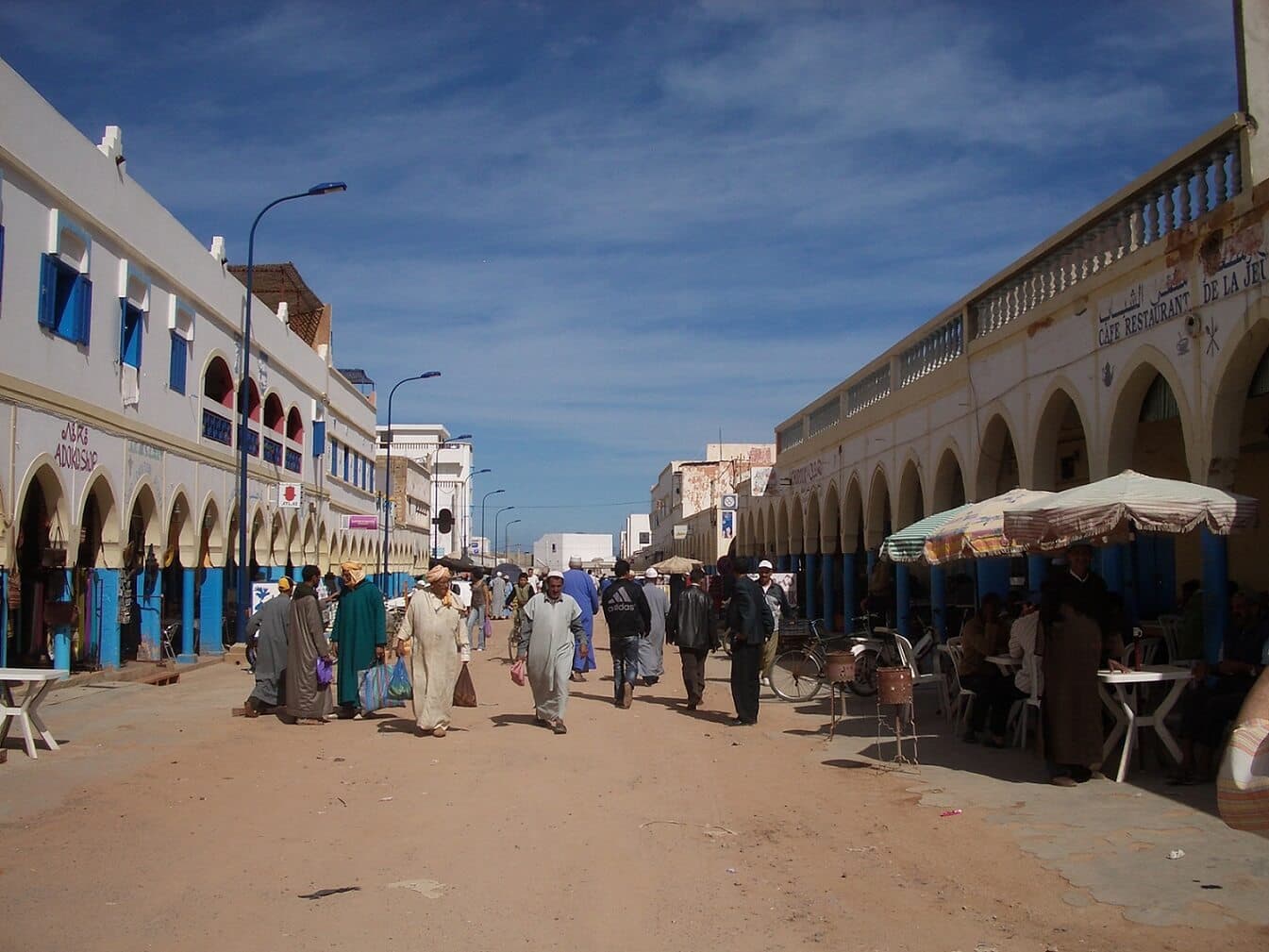
Not an “official” attraction, but a genuine experience. Tamri is a lively fishing village where life has hardly changed in fifty years. Early in the morning, the fishing boats come in and the fish market sets up on the pier.
You can buy red mullet, sea bream, or bonito directly from the fishermen for 50 to 80 dirhams per kilo, then ask a local eatery in the village to grill it for you.
A quick side note: Tamri is known for its banana plantations, which cover the entire plain at the foot of the cliffs. Along the road, several stalls sell local bananas for 10 to 15 dirhams per kilo-two to three times more flavorful than those found in the supermarket.
Activity category
Adventure & outdoors
Discover our immersive experiences on this theme, designed with local artisans and guides.

Quad Biking in Taghazout: 2-Hour Ride through Argan Groves
From 25 €
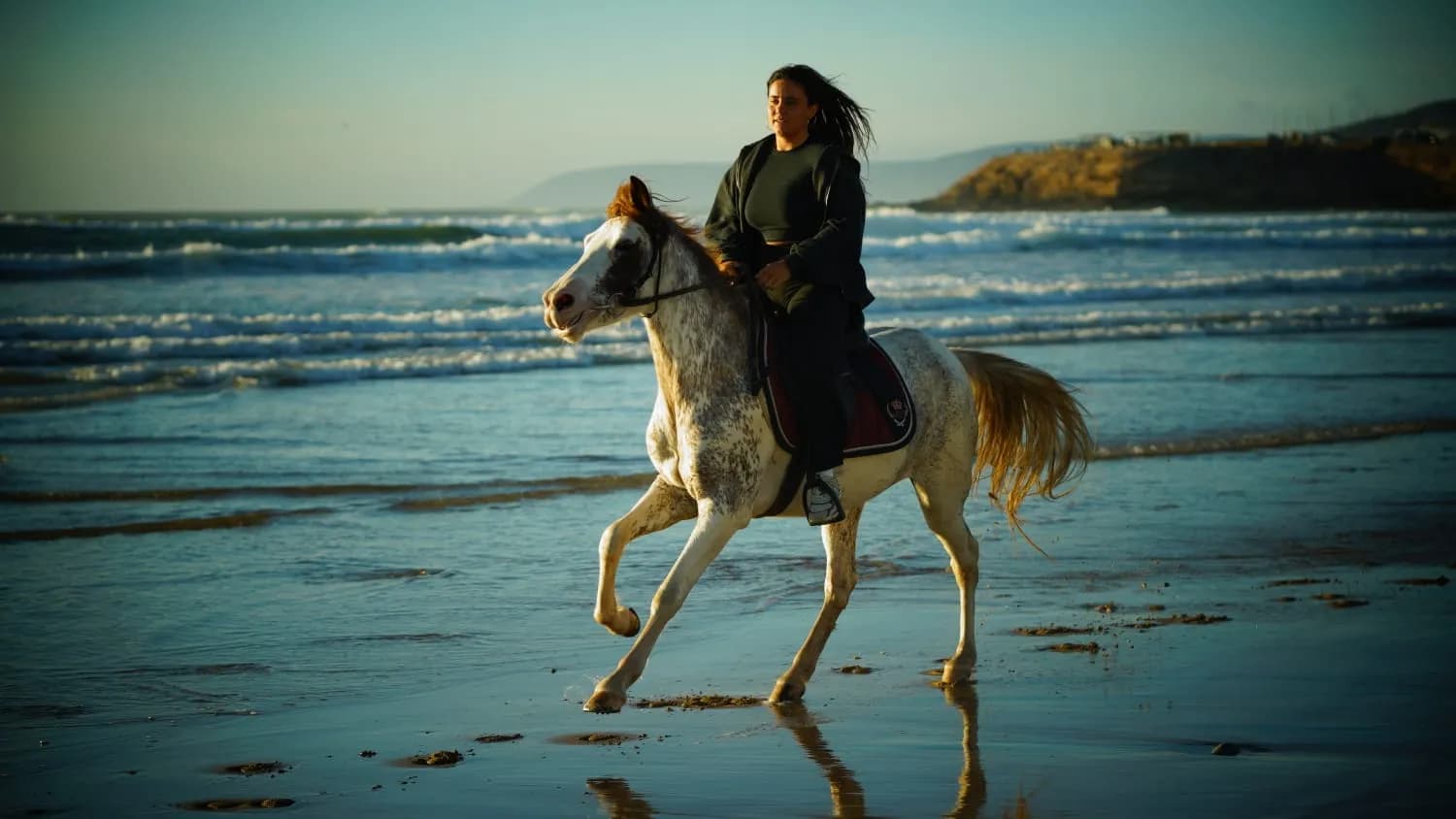
Horse Riding in Agadir: Beach and Hinterland Trails
From 25 €
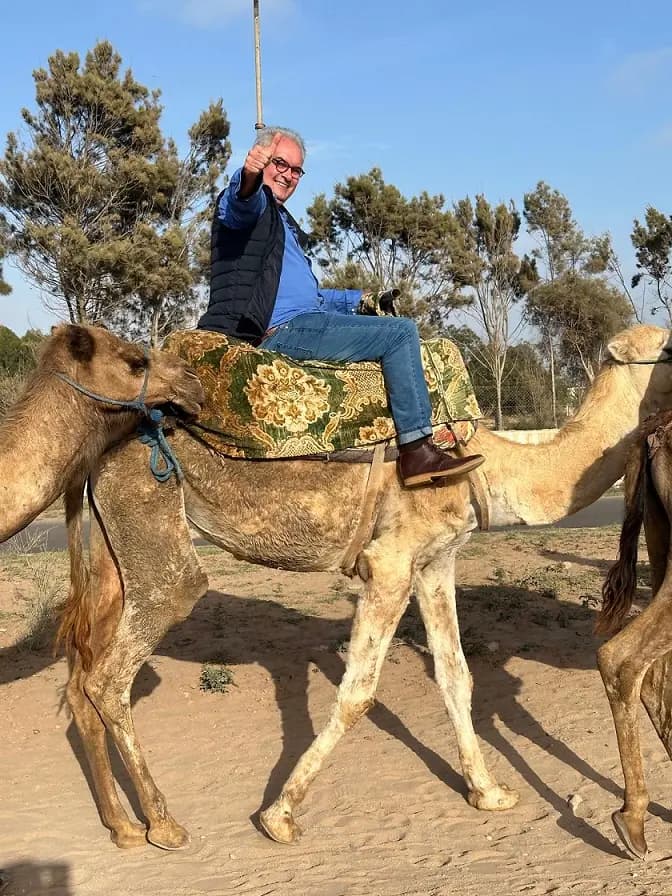
Camel Ride in Agadir at Sunset with Dinner
From 30 €
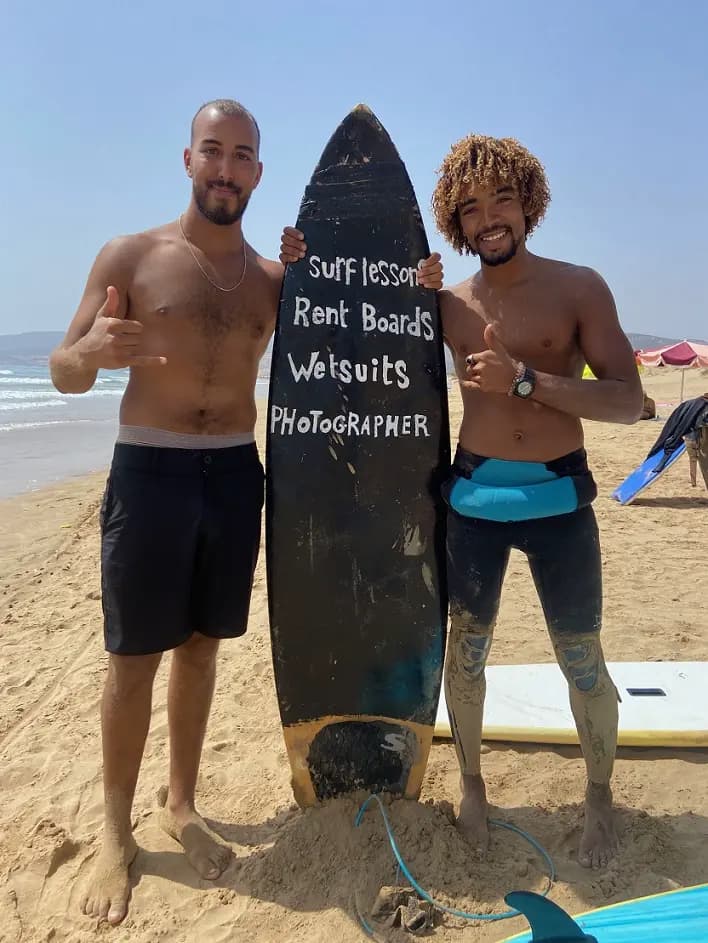
Surf lessons in Taghazout: beginner and intermediate classes for all skill levels
From 35 €
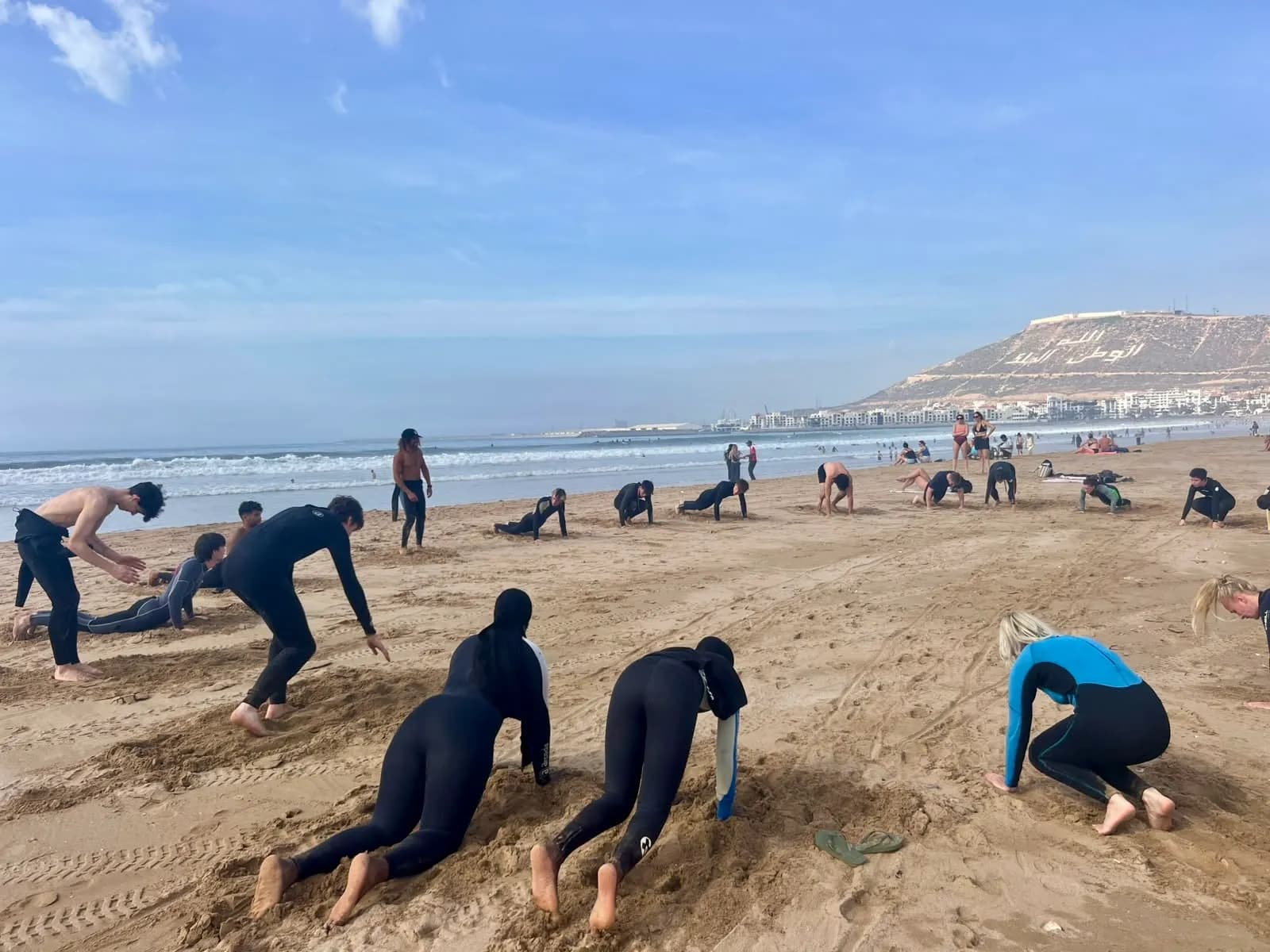
Surf lessons in Agadir: 2 hours on the main beach, all levels
From 35 €
Quad Biking on the Agadir Dunes: 2-hour ride facing the Atlantic
From 35 €
What to do in Timlaline?
Sandboarding on the dunes
The area’s signature activity. You can rent a board for 50-80 dirhams on site, climb to the top of a dune, and launch yourself down. It’s more physically demanding than you might think: walking back up through the sand takes some effort. The first runs are cautious; the ones after that are faster. There’s no real age limit (kids 8 and up do just fine).
Insider tip: Do it early in the morning or late in the afternoon. At noon in the summer, the sand reaches 50 degrees and burns your feet.
Camel Ride at Sunset
The classic experience. A caravan of camels makes its way along the beach and up through the dunes, usually led by a Berber camel guide. Expect to pay 100 to 200 dirhams per person for 1 hour, or more depending on the options. Ideally, book for late afternoon: the light transforms everything.
Quad biking on the dunes
For those looking for a bit more of an adrenaline rush. Several operators offer quad rides on the dunes and the nearby plateau. Expect to pay 350 to 500 dirhams for 1 hour, including a helmet and safety briefing. Best avoided if you’re a birdwatcher: the noise scares the birds away for kilometers.
Surfing in Tamri
A spot for all skill levels, with a special mention for intermediate surfers. Several local schools offer private or group lessons. A wetsuit is required year-round (the Atlantic is cold). Best from November through March, when the swells are at their best.
Hiking along the cliffs
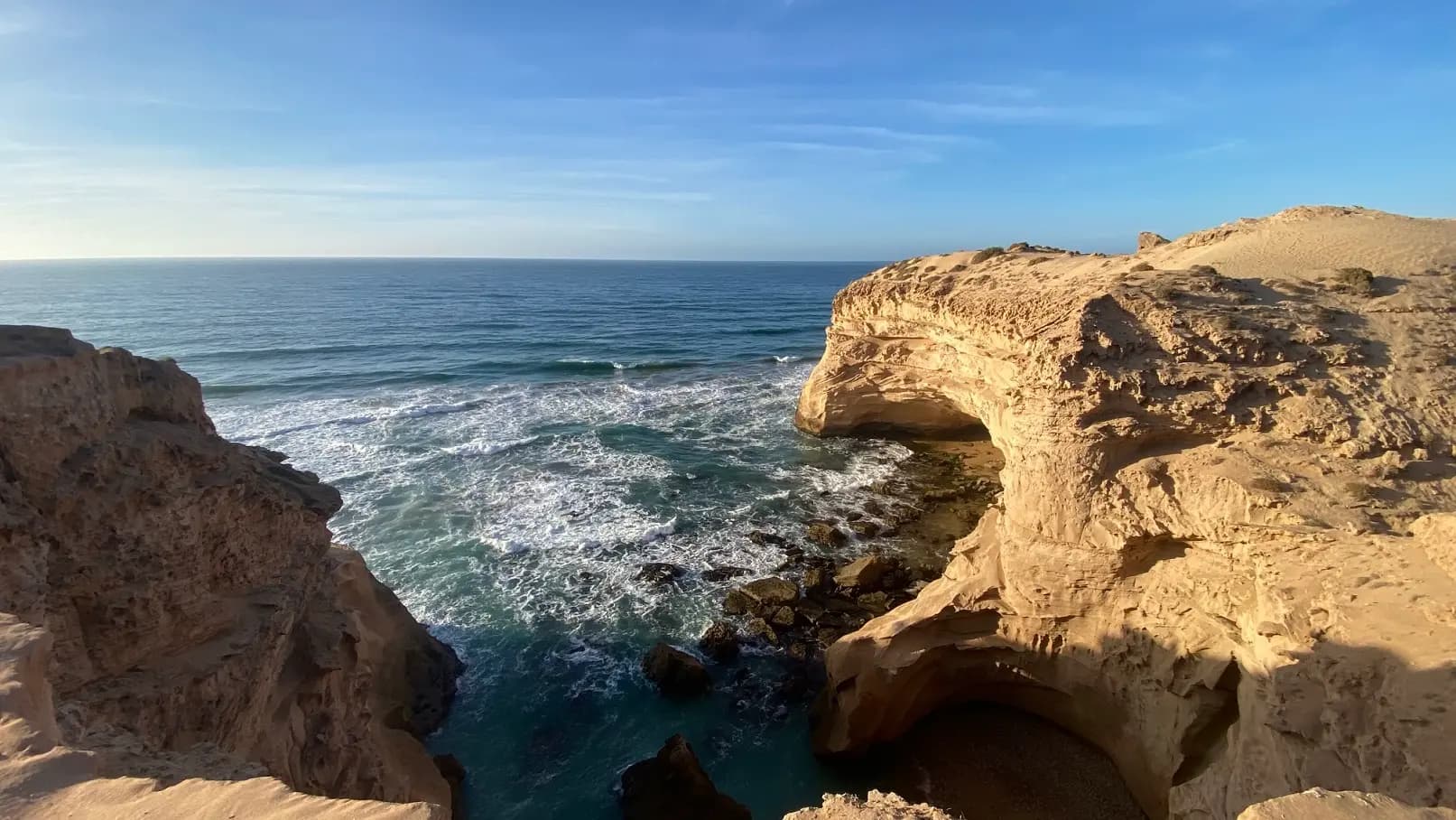
Several trails allow you to hike 2 to 5 km across the plateau overlooking the ocean, following the cliffs. The landscape is rocky, dotted with prickly pear cacti and clumps of reed grass. Spectacular views of the dunes and the ocean at every turn.
When to Visit Timlaline
The best time to visit depends on what you’re looking for.
For the dunes and sandboarding: year-round except during the summer (July-August). In winter, temperatures are mild (15 to 22 degrees), the sky is often clear, and the sand stays cool. Avoid days when the chergui (southeasterly wind) blows, as it fills the air with dust.
For surfing: November through March, when Atlantic swells are longest and most consistent. In summer, the waves are smaller but more accessible to beginners.
For bald ibises and birdwatching: from October through March, at the beginning and end of the day. This is when migratory birds come to spend the winter in the estuary.
For the best light for photography: fall and spring, in the late afternoon, about two hours before sunset. This is when the dunes take on their warmest colors.
Where to Eat Locally
There are no fancy restaurants in Timlaline. But there are a few simple, reliable options:
In the village of Tamri, several small eateries serve simple grilled fish. Expect to pay 70 to 120 dirhams for a full meal (fish, fries, salad, bread). Sardines at 50 dirhams per kilo are a local staple.
Right on the dunes, several guides offer a “tea and tagine on the sand” package: a tablecloth spread on the sand, a teapot, and sometimes a tagine prepared on the spot over a wood fire. This is the best option if you’re staying for the entire half-day: 150 to 250 dirhams per person, depending on what you order.
Mint tea is served everywhere, averaging 15 dirhams a glass.
Practical Tips
What to Pack
For a day in Timlaline and Tamri, bring:
- Shoes that can handle sand (closed-toe sandals or sneakers you don’t mind getting dirty)
- A swimsuit and a quick-drying towel
- A hat, sunglasses, and sunscreen (the wind masks the heat)
- At least 2 L of water per person (there are no water sources on the dunes)
- Cash only (no credit cards accepted on site)
- Binoculars if you’d like to watch the bald ibises at the estuary
Is there an admission fee?
No, the site is free to enter. Only parking may be charged 10 to 20 dirhams by an informal attendant, and activities (sandboarding, camel rides, quads) have their own rates.
Is the site suitable for children?
Yes, absolutely. The dunes are easy to climb, the sand is safe, and the slope is steep enough for fun. Keep an eye on the tide at the cave, and make sure to stay hydrated at all times. For children ages 4-5 and up, it’s a dream playground.
Can you camp there?
Officially, no. There are no facilities, no supervision, and the site is partially within the Souss-Massa National Park. If you want to stay nearby, there are guesthouses in the village of Tamri (starting at 200 dirhams per night) or in Taghazout (wider selection, 300 to 600 dirhams).
Are dogs allowed?
Yes, preferably on a leash. Be careful of the heat from the sand in the summer-it can burn their paw pads.
Combining Timlaline with Other Stops
Timlaline can be explored in half a day, but it can also serve as the centerpiece of a full day or a longer loop.
For a full day: spend the morning in the Valley of Paradise (cool off in the natural pools), have lunch in Imouzzer, then head down to Timlaline for the late afternoon and sunset over the dunes. A program full of contrasts that takes you from a mountain oasis to a coastal desert in just a few hours.
For surfers: combine Tamri with Taghazout and Imsouane, each about a 40-minute drive away. Three spots with different skill levels, three very different atmospheres.
For nature lovers: follow up Timlaline with the Souss-Massa National Park to the south. You’ll see both ends of the same coastal ecosystem: ibises in the north at Tamri, gazelles and flamingos in the south at Massa.
For those looking for a structured trip, several of our tours include a day trip to Timlaline and Tamri as part of a broader itinerary combining nature, crafts, and Berber heritage. The pace and stops can be tailored to your preferences.
In summary
Timlaline remains one of the best-kept secrets of Morocco’s Atlantic coast. This is no coincidence: the trail leading there acts as a gatekeeper, and only those who decide to go all the way set foot there.
If you’re one of those people, you’ll leave with what few places in Morocco still offer: a deserted beach stretching for several kilometers, dunes that plunge into the ocean, a fishing village that hasn’t forgotten how it lived fifty years ago, and the chance, on certain late afternoons, to spot a bald ibis-a species that has nearly disappeared from the planet.
An hour’s drive from Agadir. A world of difference.
Keep reading
- Things to do in Agadir
- Agadir Desert Guide: Erg Chigaga, Merzouga or the Mini Sahara
- Visit Tiznit: the city of silver worth the journey, south of Agadir
- Immersi Travel at the 2025 Africa Cup of Nations: Workshops by Master Artisans in Agadir’s Fan Zones
- Solidarity with El Khomss: The Immersi and Kasbat Souss Mobilization
- The Olhão Garden in Agadir: Tour, History, and Practical Information