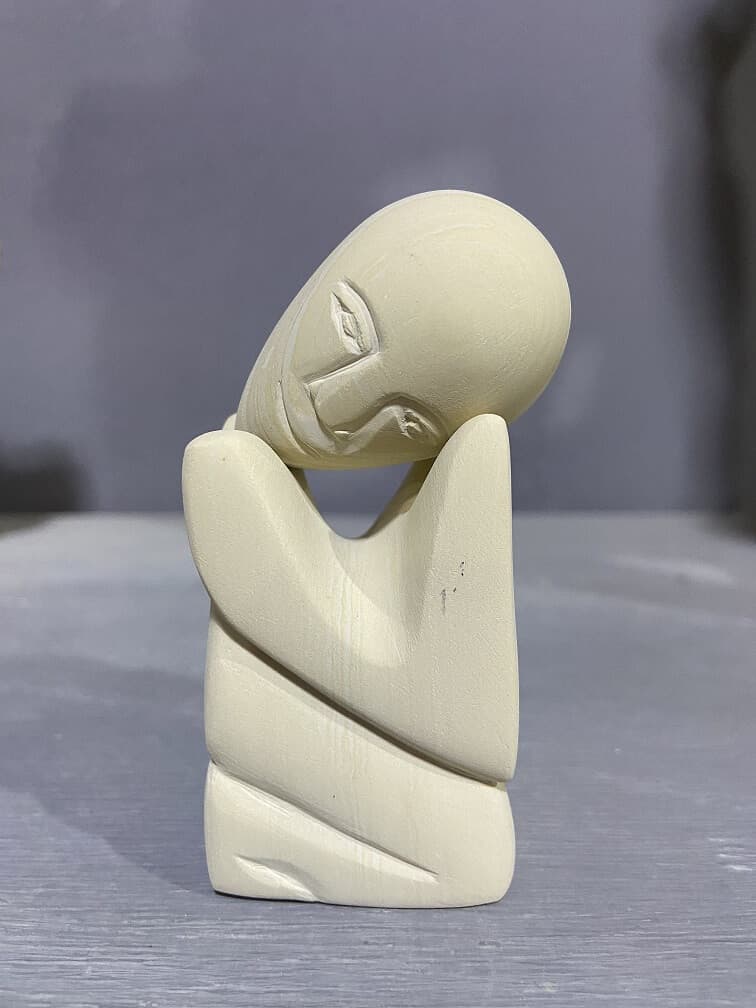
Limestone sculpture in Morocco and Agadir is not just a souvenir from a shop. It is a craft of the hand, passed down among artisans for generations, in which soft stone yields to the chisel with a precision that must be learned.
If you’re planning a trip to Agadir and looking for an activity that leaves a lasting impression, this article explains what actually happens in a stone-carving workshop-and why limestone is at the heart of this craft.
Activity · Agadir
Agadir Sculpture Workshop: Carve Your Own Limestone Decoration
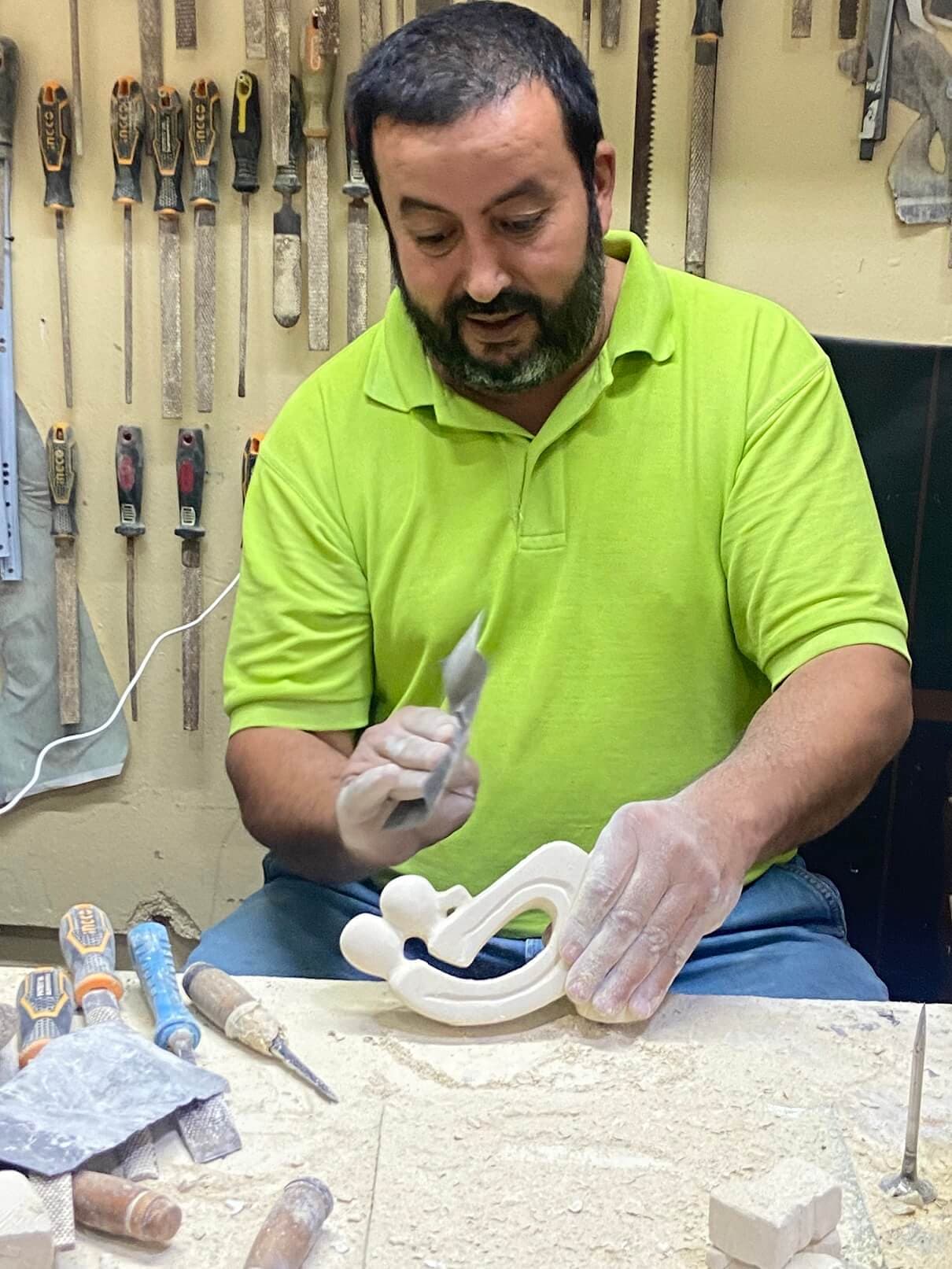
Sculpture workshop at Kasbat Souss, Agadir, with Ali: carve your own piece from local limestone in a very small group (3 people max), and take your artwork home with you the same day.
Why limestone? A stone that’s easy to work with
Limestone is a sedimentary rock composed mainly of calcium carbonate. What makes it unique in the sculpture studio is its moderate hardness: it is neither as soft as chalk nor as hard as granite. A chisel and a mallet are all that’s needed to carve into the surface. The stone responds quickly, allowing the sculptor-and the apprentice-to see the form take shape within a few hours.
Its texture lends itself equally well to rounded forms-human figures, animal shapes-as it does to fine details such as arabesques or geometric patterns characteristic of the region’s craftsmanship. Once sanded, the surface of the limestone reveals a warm hue, somewhere between beige and light ochre, similar to the color of the facades in the towns of the Souss region.
Limestone Sculpture in Agadir: A Craft Deeply Rooted in the Souss Region
In Agadir, stone carving is part of a region rich in artisanal expertise. The Souss region is home to workshops specializing in pottery, leather goods, jewelry-and stone carving. These crafts coexist in places such as the Kasbat Souss, the artisans' village built after the 1960 earthquake, where people from various trades work under one roof.
The artisans who work with limestone in Agadir carve forms drawn from their surroundings: birds from the Souss estuary, silhouettes from Amazigh tradition, and geometric patterns inspired by Berber motifs. Each piece embodies something local-not a catalog reproduction, but the sculptor’s personal interpretation.
What role does limestone sculpture play in Moroccan crafts?
In Morocco, stone carving has long been used in architecture and the decoration of monuments. The white limestone found in certain regions of the country has been used in the facades of medinas, fountains, and capitals.
Gradually, this architectural use gave rise to a tradition of sculpting objects: statuettes, bas-reliefs, and decorative plaques. In Agadir, this tradition has been kept alive in family workshops, often passed down from father to son or between masters and apprentices.
Activity category
Things to do in Agadir
Discover our immersive experiences on this theme, designed with local artisans and guides.
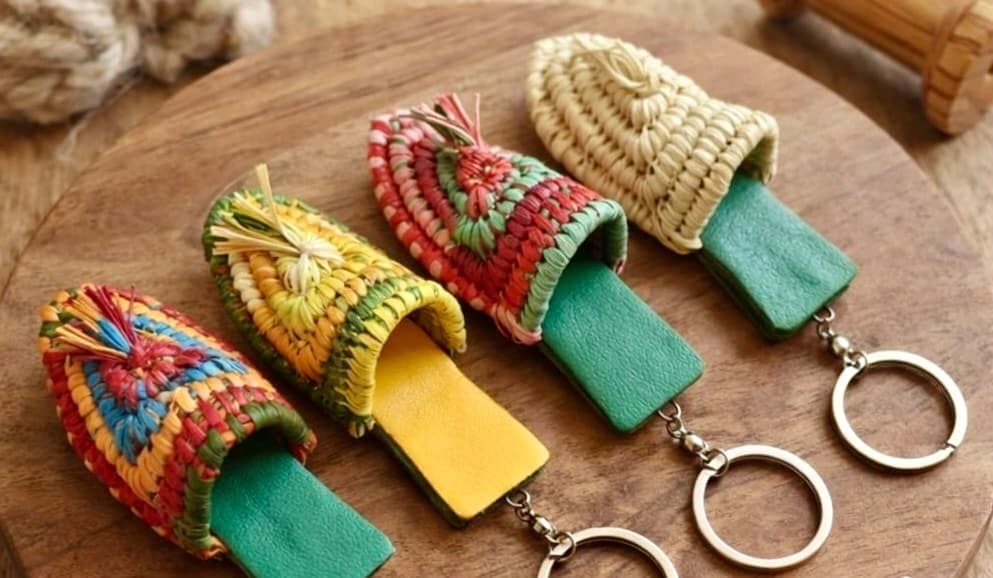
Agadir Raffia Workshop: Hand Weaving with Bouchra
From 30 €
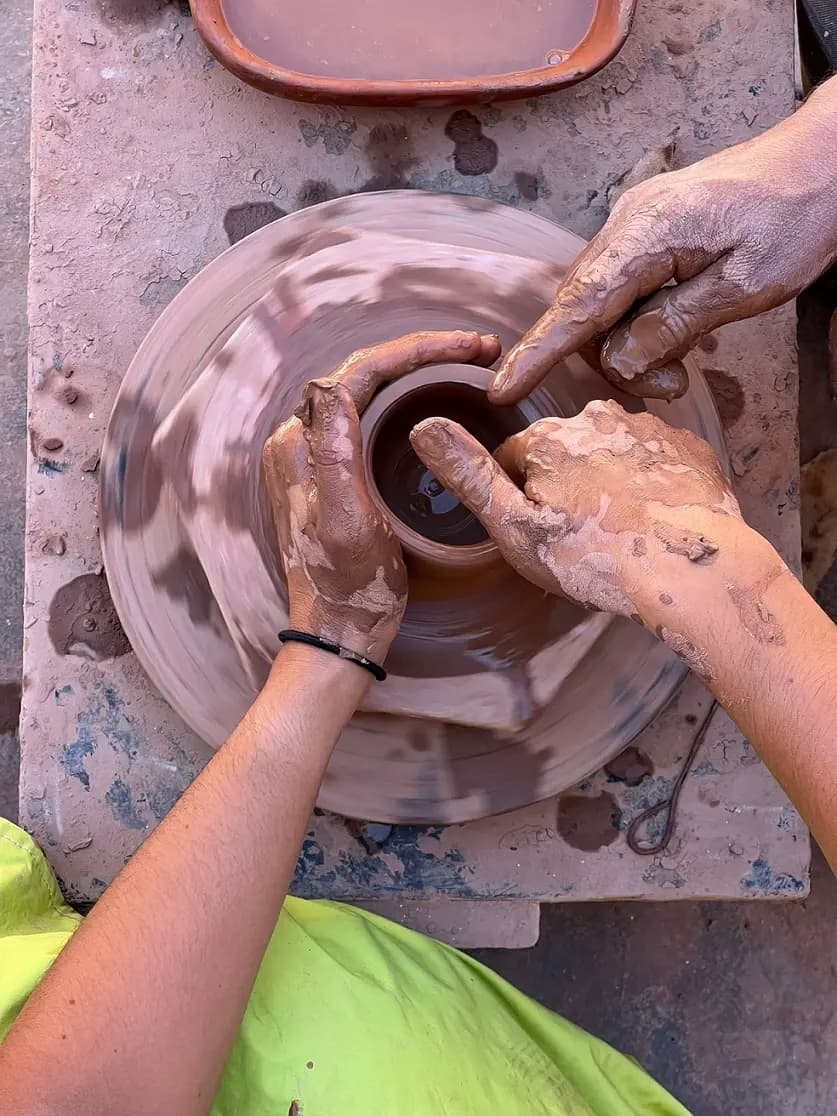
Pottery Workshop in Agadir: Make 3 Pieces with an Artisan
From 35 €
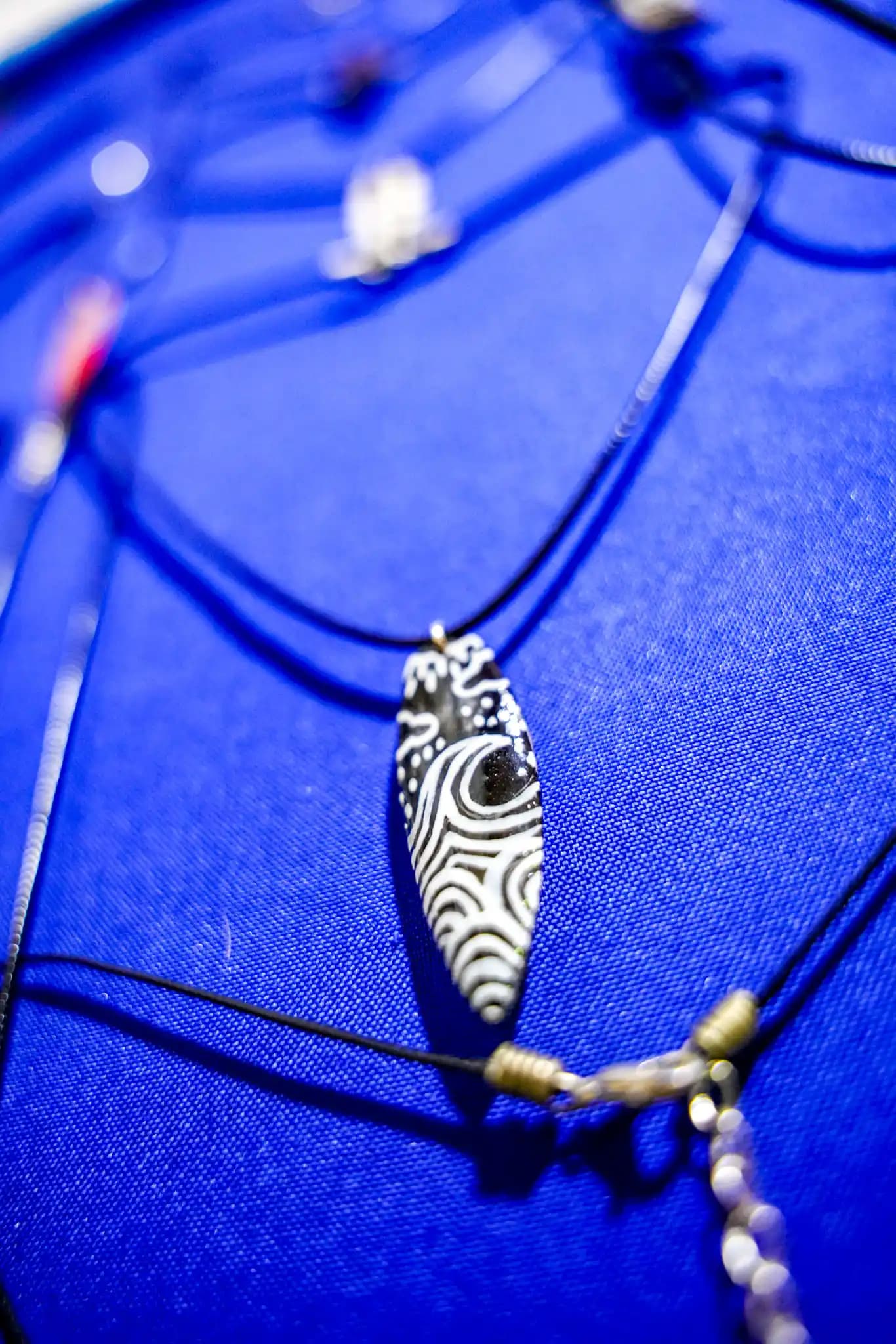
Jewellery Making Workshop in Agadir: Horn Carving with Mohamed Salhi
From 39 €
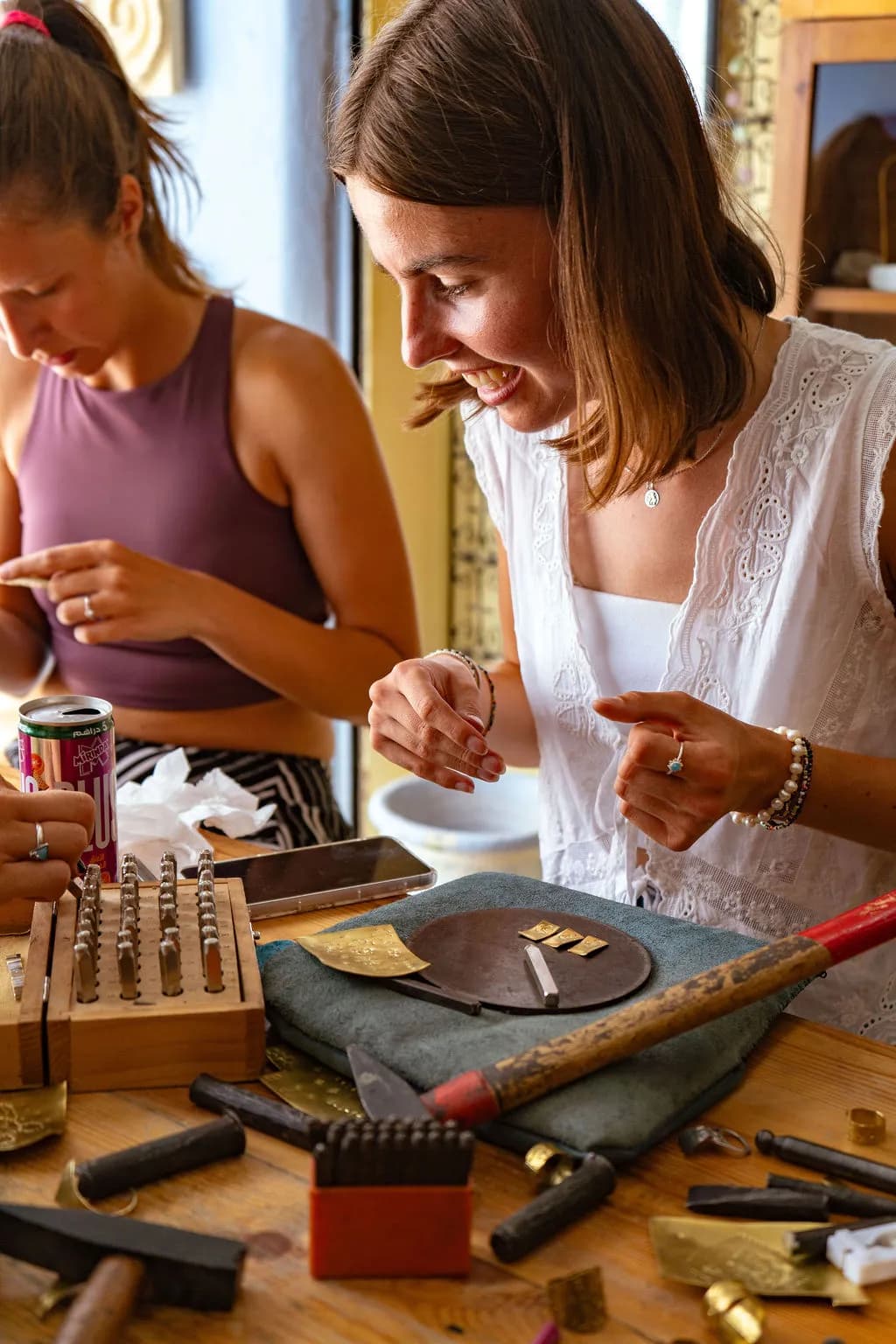
Metal Jewellery Workshop in Agadir: Brass and Copper
From 40 €
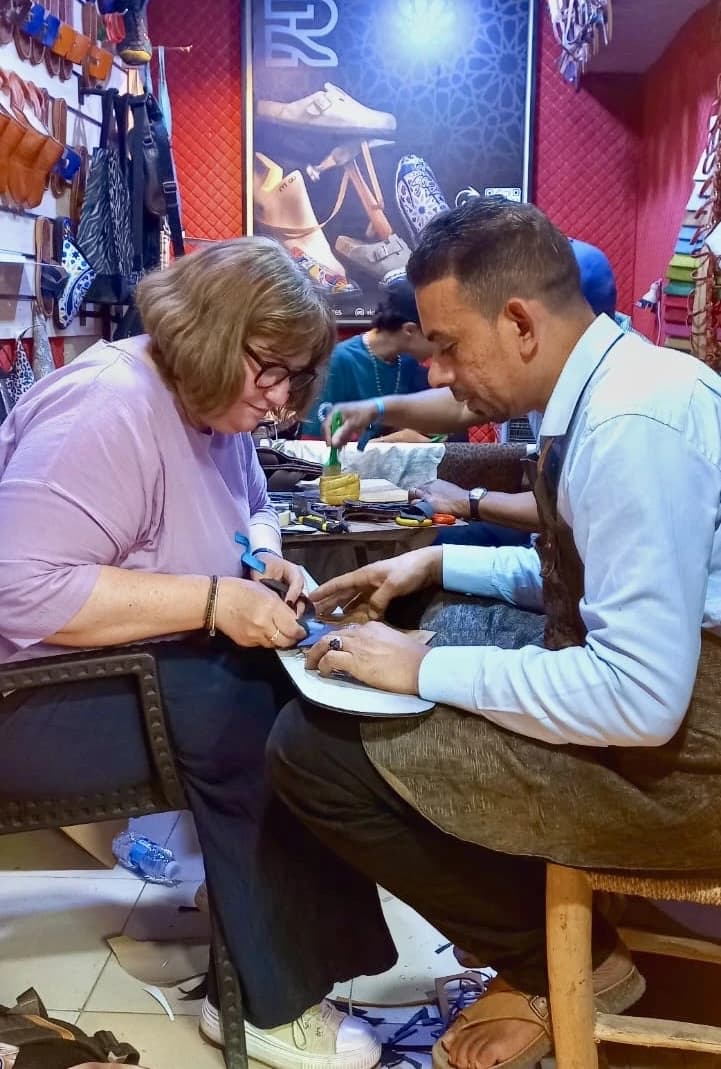
Agadir Sandal Workshop: Custom Leather Sandals with Redouane
From 45 €
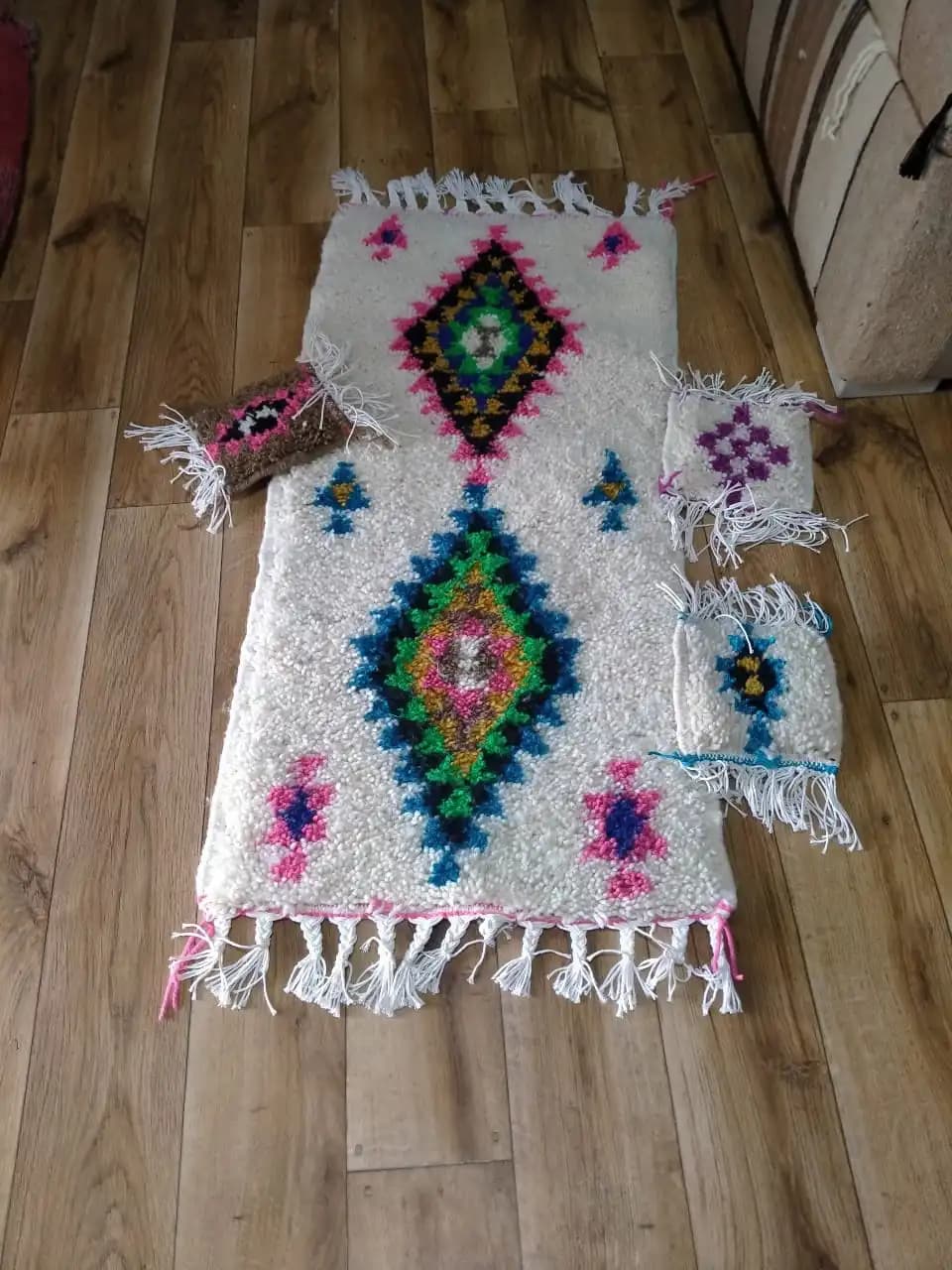
Carpet Weaving Workshop in Agadir with Fatima
From 45 €
The Steps Involved in Stone Carving: From Cutting to Polishing
Carving a block of limestone involves several distinct phases. Each phase requires different tools and a precise technique. Here are the main steps as practiced in a direct-carving workshop:
- Roughing out: Shape the block roughly with a mallet and a wide chisel to create the general form.
- Shaping: Refine the contours with a serrated chisel, which creates even grooves without chipping the stone.
- Detail: Carve the fine areas-the face, feathers, and patterns-using a fine chisel and measured hammer strokes.
- Smoothing: Use a rasp, followed by sandpaper, to remove tool marks and smooth the surfaces.
- Finishing: Polish the surface to bring out the stone's natural color and give it its final appearance.
What strikes you in a direct-cutting workshop is the noise. The mallet strikes the chisel, and the stone responds with a sharp crack. Fine limestone dust settles on your hands and the workbench. The smell is neutral, mineral-like-very different from that of wood or leather. It quickly becomes clear why this craft requires concentration and patience.
What tools are used to carve limestone?
The basic tools are simple: a wooden or rubber mallet, flat chisels of various widths, a serrated chisel for textured surfaces, and fine chisels for detailed work. Since limestone is a stone of medium hardness, these steel tools are sufficient and do not require power tools. In the workshops of Agadir, artisans often use tools that are locally forged or have been passed down through generations.
What You're Carving: The Patterns and Shapes of the Workshop
In a workshop in Agadir, the designs on offer reflect the artisan’s repertoire and the local environment. They include animal silhouettes-birds, horses, camels-as well as human figures drawn from the Amazigh tradition. Geometric patterns inspired by zellige or Berber embroidery appear on decorative tiles. Visitors generally choose a project suited to their skill level and the time they have available.
For a first session, a simple, compact shape-a bird, a stylized face-allows you to go through all the steps of the process without getting lost in the details. The artisan guides each movement, showing you how to hold the tool and how to adjust the pressure depending on the area you’re working on. You leave with the finished piece.
Is stone carving in Agadir suitable for beginners?
Yes. The workshops are designed for people with no prior experience. Thanks to the stone’s flexibility, participants can begin carving directly into limestone right from the start. The artisan adapts the level of guidance to each participant. For children, simple shapes and age-appropriate tools are available. The only prerequisite is a desire to work with the material and to take the time to do so.
Passing on Expertise: Between Masters and Apprentices
In Morocco, the art of stone carving is passed down through a lengthy apprenticeship process. A young artisan joins a workshop as an assistant, observes the techniques, imitates the hammer strokes, and learns to sense the stone’s resistance before carving it. This process takes years before the apprentice can work independently on complex pieces.
It is this same master-apprentice dynamic that shapes the relationship in a workshop open to visitors. The artisan doesn’t simply give a demonstration from a distance: he sits right next to you, demonstrates, corrects, and explains. Conversations often take place in a dialect of Arabic or in Tamazight-with a few words of French or Spanish, depending on the artisan. This sense of closeness is at the heart of the experience in a craft workshop in Agadir.
If this type of handicraft appeals to you, there are other crafts in Agadir that follow a similar approach. The Agadir Pottery Workshop offers a clay-modeling experience with a local artisan, with the aim of passing on this craft in a similar way.
Before You Come: Practical Tips for the Workshop
What should you plan for a limestone carving session?
Limestone dust can leave white marks on your clothes while you work. It’s best to wear clothes you don’t mind getting dirty, or to wear an apron.
Your hands will be in direct contact with the stone: thin gloves may be helpful if you have sensitive skin. Set aside some free time-a workshop is best enjoyed without watching the clock. Finally, consider how you’ll transport your piece: limestone is heavy; a medium-sized sculpture can weigh two to three kilograms.
To explore Agadir's crafts beyond a single workshop, a visit to the Agadir medina allows visitors to see several different crafts gathered in one place, from textiles to ceramics to woodworking.
Book your limestone carving workshop in Agadir with Immersi Travel
Immersi Travel offers a hands-on limestone carving workshop with a craftsman from Agadir. You’ll work in his studio, using his materials and tools. This isn’t a staged tourist experience: the craftsman carves in this workshop every day, and you’ll join him as an apprentice for the duration of the session.
If you're in Agadir and want to put what you've read into practice, the Agadir Limestone Sculpture Workshop is available for booking directly on our website. You choose your time slot, and the artisan will be there waiting for you.
What You Take Away from a Stone-Carving Workshop
The piece you take home with you isn’t identical to the ones on display. It bears the marks of your hammer blows, your adjustments, and your hesitations. That is precisely what gives it its value. Limestone carving in Morocco and Agadir isn’t a cookie-cutter recreational workshop: it’s a genuine exchange between a craftsman who has mastered his tools and a visitor who is learning to handle his own.
To see other forms of traditional crafts in the region, explore our selection of Things to Do in Agadir: artisan workshops, excursions in the region, and culinary experiences with locals.
Keep reading
- Things to do in Agadir
- Agadir Kasbah: the Oufella Fortress, Living Memory of the City
- Kasbat Souss: 70 artisans at work 5 km from downtown Agadir
- Souk El Had Agadir: one of southern Morocco's biggest markets
- Agadir Seaside Promenade: What to Do, Swimming and Sunset
- The 1960 Agadir Earthquake: History and Rebirth of a City